The formula, explained
Ingredients with a clear purpose.
Every ingredient earns its place. Explore what we use, why we use it, and where to find it in your routine.
Nourishes barrierFound inThe Wash · The Cream · The Balm
Sunflower

Nourishes barrierFound inThe Wash · The Cream · The Balm
Sunflower
Vitamin E rich and deeply nourishing. Softens and protects the skin barrier.
Derived from sunflower seeds, this plant oil is naturally rich in linoleic acid and other fatty acids that help replenish skin lipids and support the skin barrier. Its emollient and protective properties help soften the skin and limit transepidermal water loss, making it well suited to dry skin.
INCI Helianthus Annuus (Sunflower) Seed OilResearch: International Journal of Toxicology (opens in a new tab)
Rebuilds barrierFound inThe Cream
Complete Ceramide Complex
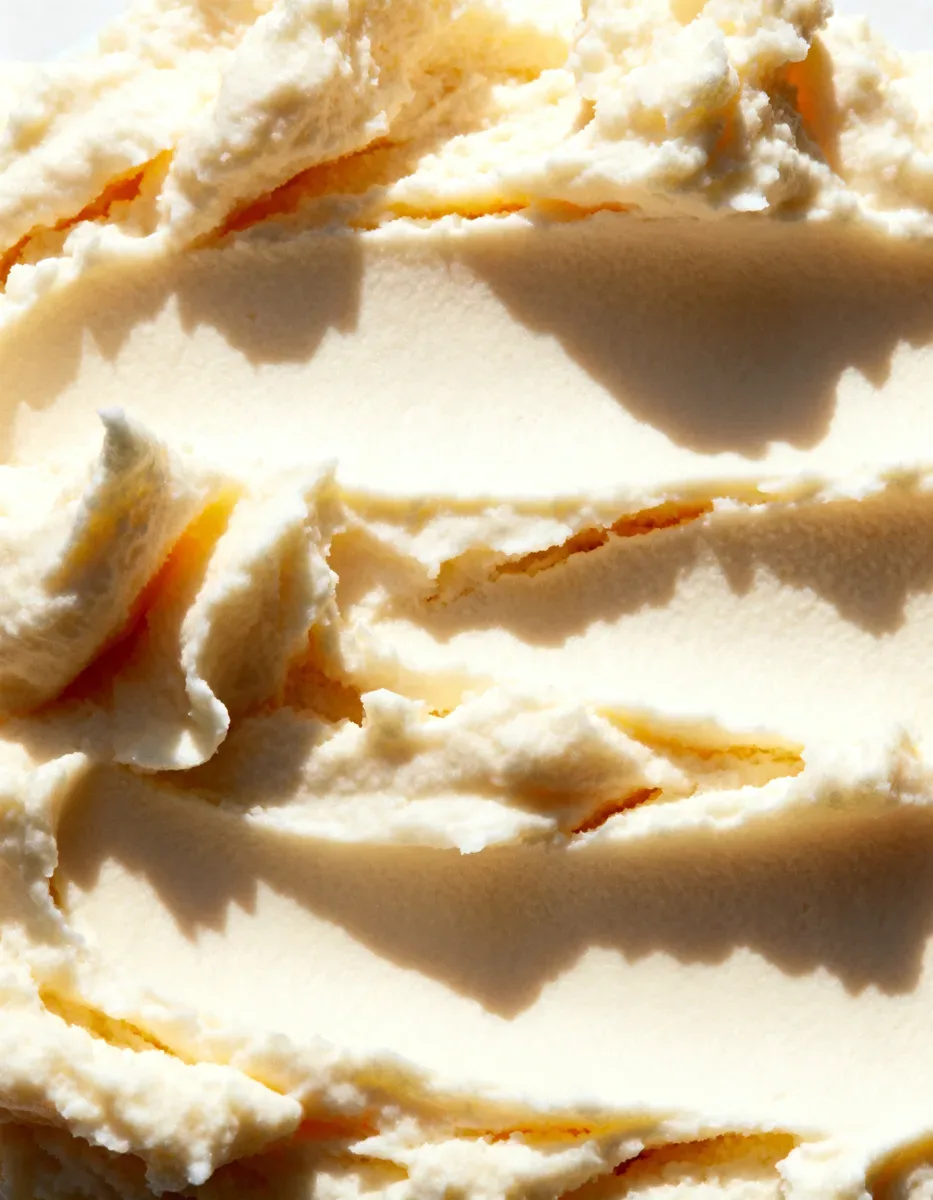
Rebuilds barrierFound inThe Cream
Complete Ceramide Complex
A biomimetic barrier repair complex of ceramides, plant-derived cholesterol, fatty acids and skin-identical lipids. Helps replenish essential barrier components.
Hydrates skinFound inThe Wash · The Cream · The Balm
Glycerin
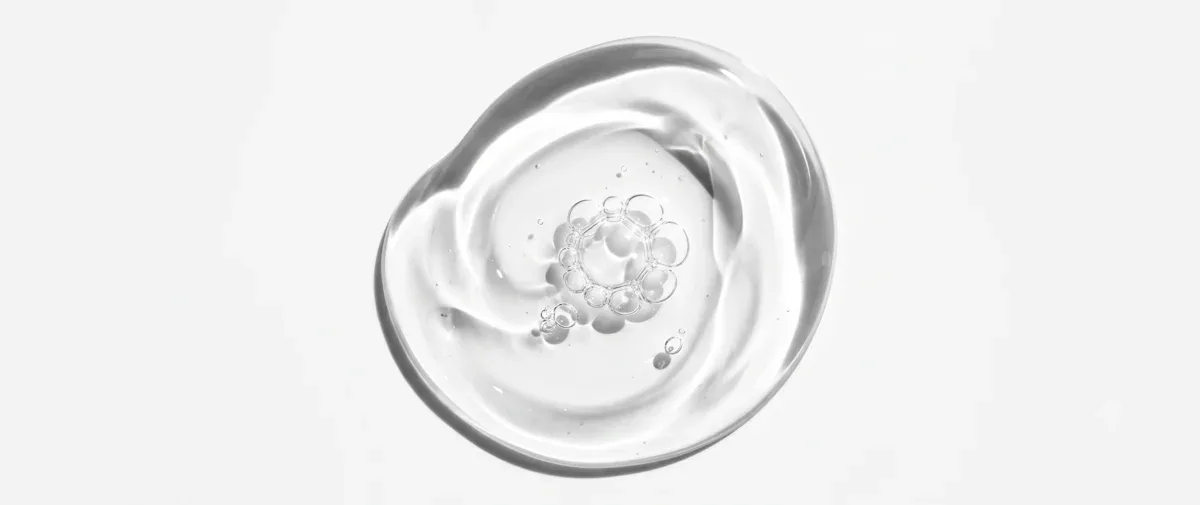
Hydrates skinFound inThe Wash · The Cream · The Balm
Glycerin
Draws and holds water in the skin.
A naturally occurring humectant also found in the skin, glycerin helps draw water into the outer layers of the skin and maintain hydration. By improving moisture balance, it helps reduce dryness and support comfort in sensitive skin.
Soothes skinFound inThe Cream
Allantoin
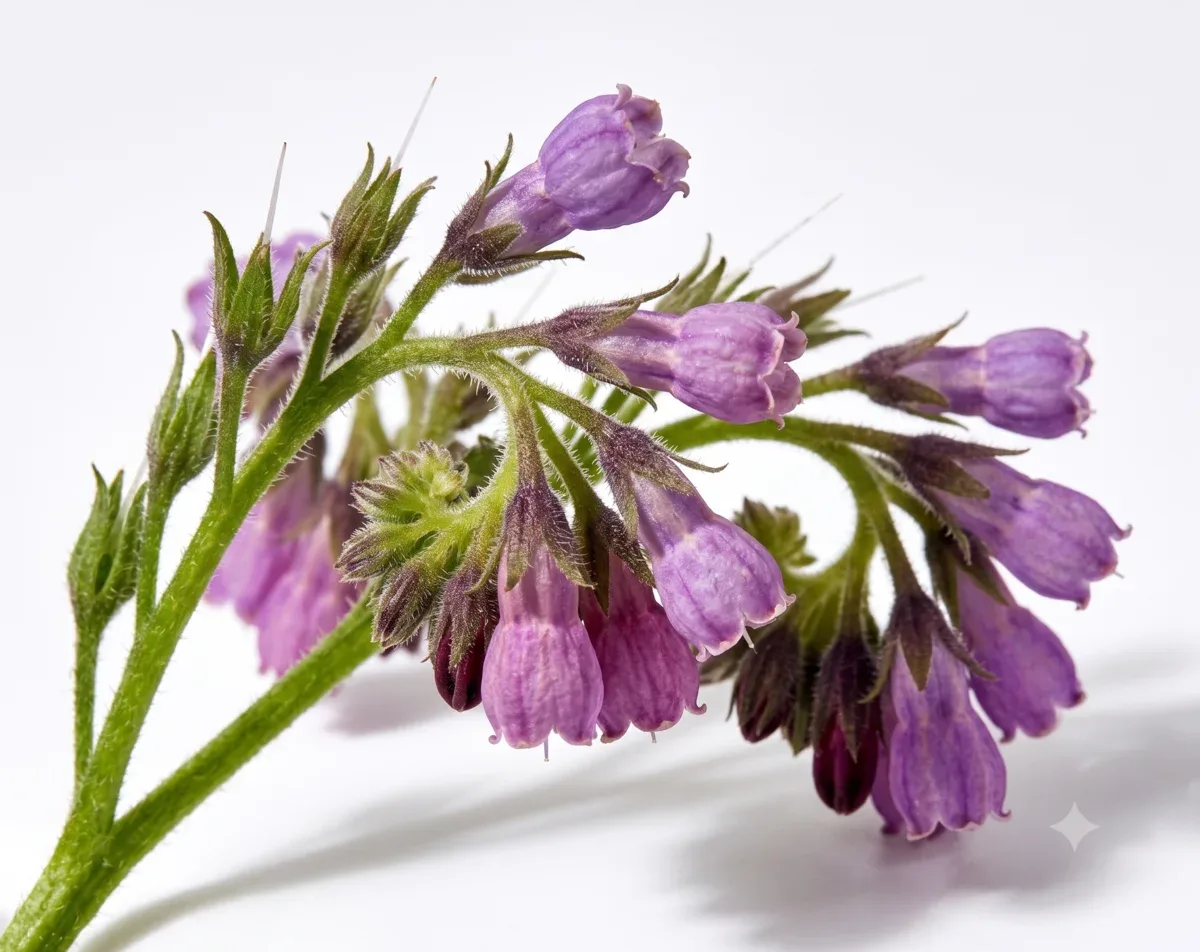
Soothes skinFound inThe Cream
Allantoin
Softens rough, peeling skin.
A well-known skin-conditioning ingredient that helps calm discomfort and support the skin barrier, making it especially suitable for delicate skin.
Research: International Journal of Toxicology (opens in a new tab)
Soothes + calmsFound inThe Wash · The Cream
Aloe vera
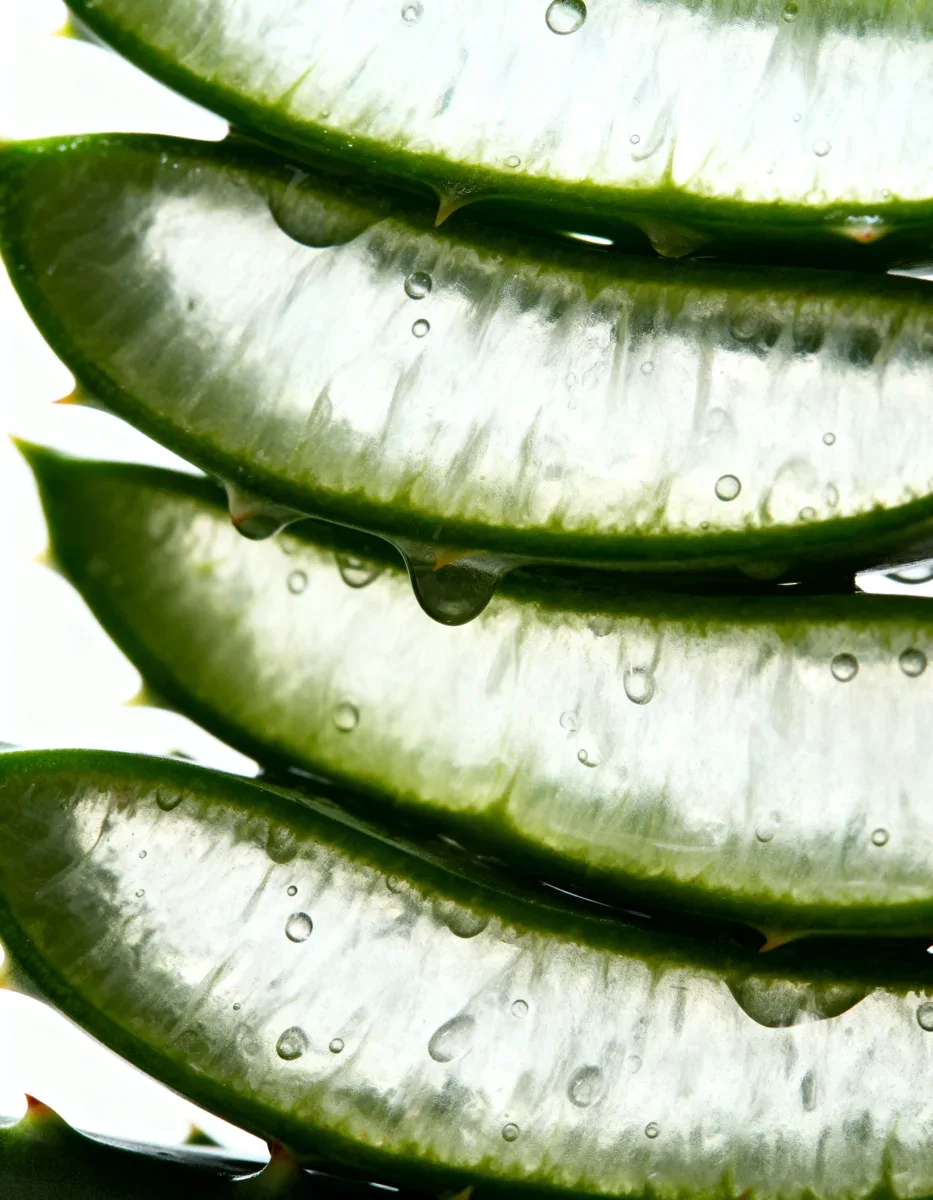
Soothes + calmsFound inThe Wash · The Cream
Aloe vera
Cooling and hydrating. Calms irritation and locks in moisture.
Also known as Aloe Vera, this plant-derived ingredient provides hydration and soothing benefits ideal for stressed and treatment-fragilized skin.
INCI Aloe Barbadensis Leaf JuiceResearch: ResearchGate (opens in a new tab)
Nourishes skinFound inThe Balm
Coconut
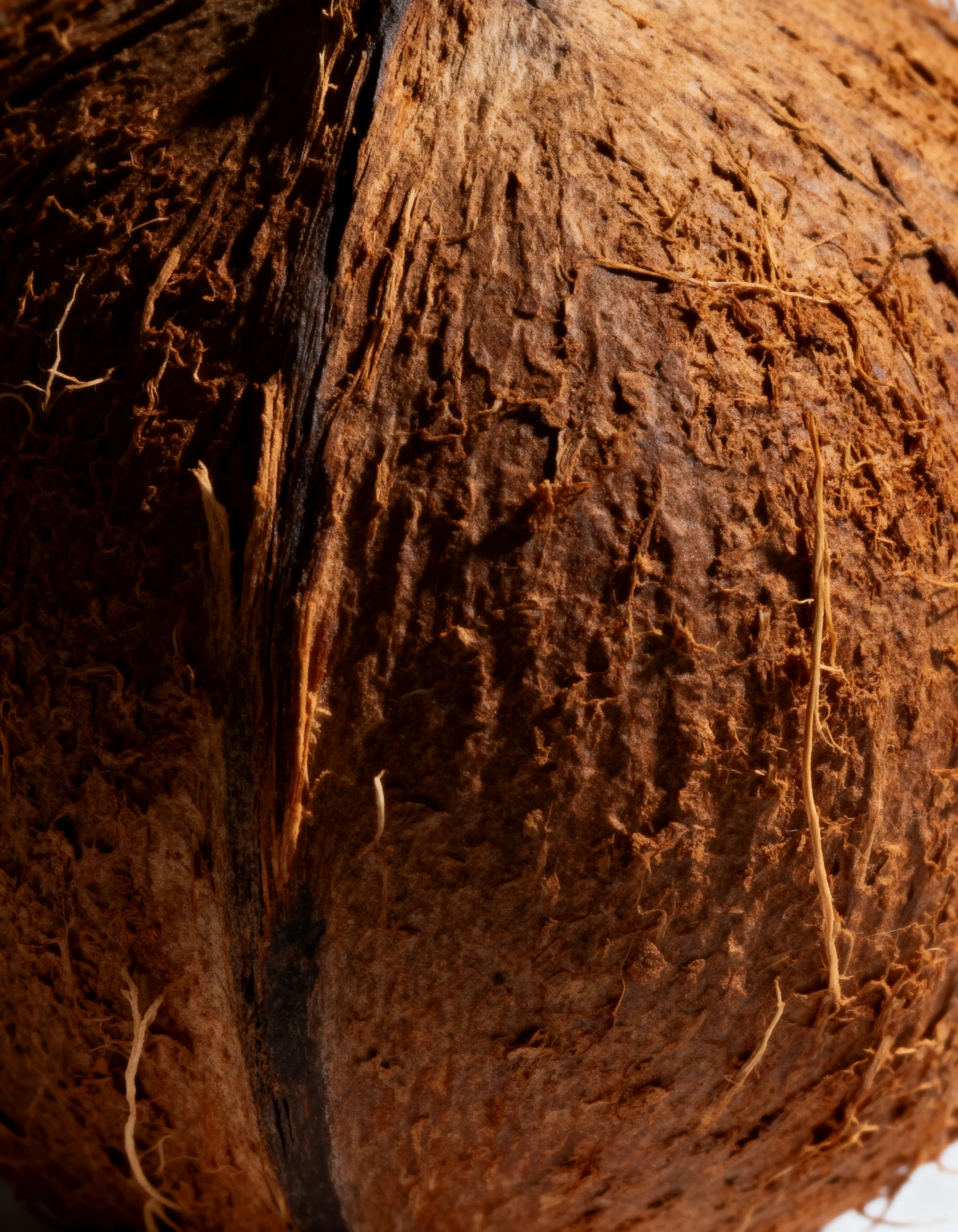
Nourishes skinFound inThe Balm
Coconut
Deep moisture from the husk up. Repairs and seals dry, cracked skin.
Derived from coconut, this plant oil is naturally rich in fatty acids, especially lauric acid, which help soften the skin and reinforce its protective surface. Its emollient and occlusive properties help replenish lipids and limit transepidermal water loss, making it beneficial for delicate skin prone to dryness.
INCI Cocos Nucifera (Coconut) OilResearch: PubMed (opens in a new tab)
The full list
Every ingredient, A–Z.
The complete ingredient list for The Wash, The Cream and The Balm, exactly as it appears on the box. Each entry shows which products it is in.
PreservativeFound inThe Cream
1,2-Hexanediol
PreservativeFound inThe Cream
1,2-Hexanediol
Key benefit Helps protect the formula
A multifunctional preservative that helps keep the formula fresh and stable by limiting microbial growth. Generally well tolerated, it is suitable for delicate skin when used in well-balanced formulations.
Research: International Journal of Toxicology (opens in a new tab)
Skin conditioning · AntioxidantFound inThe Wash
Avena Sativa (Oat) Kernel Extract
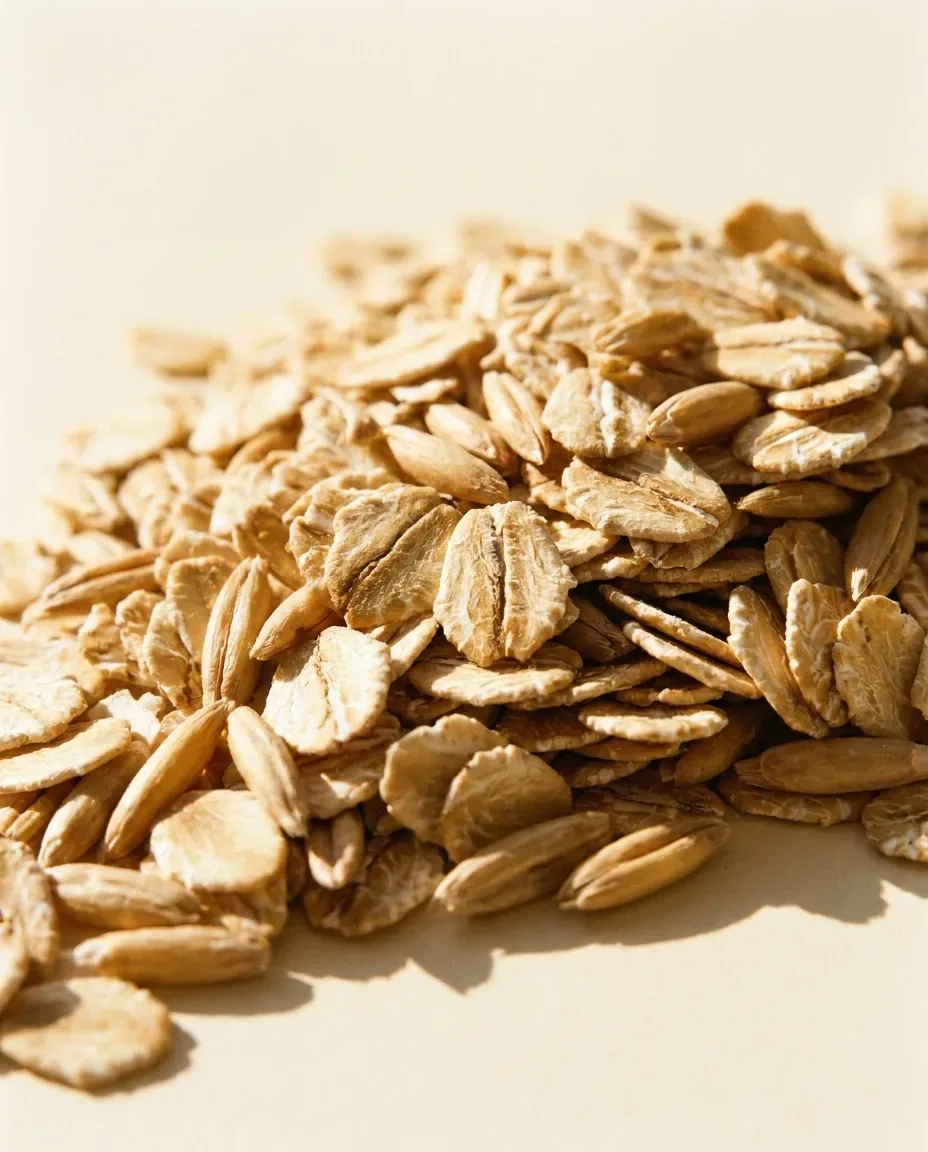
Skin conditioning · AntioxidantFound inThe Wash
Avena Sativa (Oat) Kernel Extract
Key benefit Helps calm signs of sensitivity
Derived from oat kernels, this skin-conditioning extract is naturally rich in soothing compounds such as beta-glucans and antioxidant molecules. It helps calm visible signs of sensitivity while supporting comfort in delicate skin.
Skin conditioning · MoisturizingFound inThe Cream
Beta-Glucan
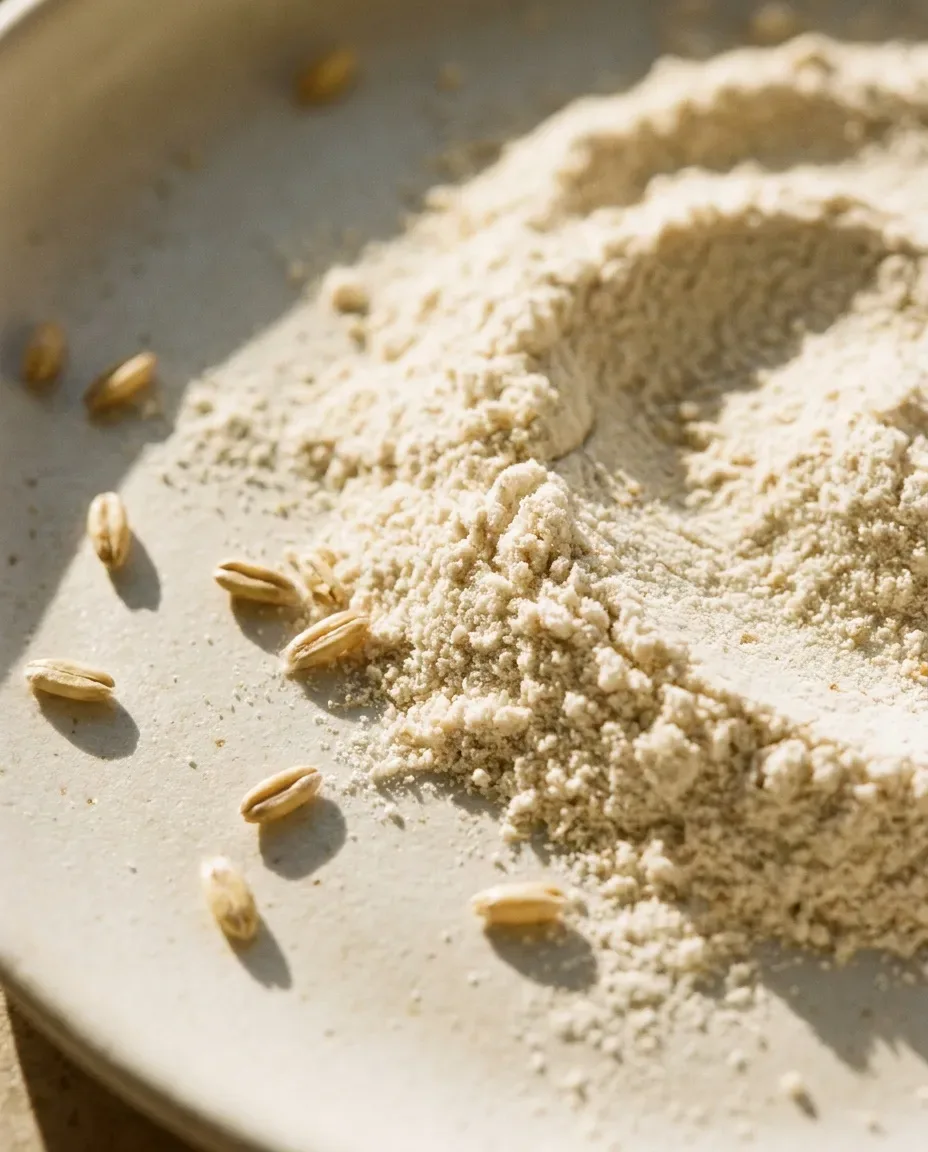
Skin conditioning · MoisturizingFound inThe Cream
Beta-Glucan
Key benefit Helps soothe and support skin recovery
A large biomolecule made up of smaller sugar units (called polysaccharide), beta-glucan is known for its soothing and moisture-supporting properties. It helps improve skin comfort and reduce dryness, making it particularly suitable for delicate skin.
MoisturizingFound inThe Cream · The Balm
Butyrospermum Parkii (Shea) Butter
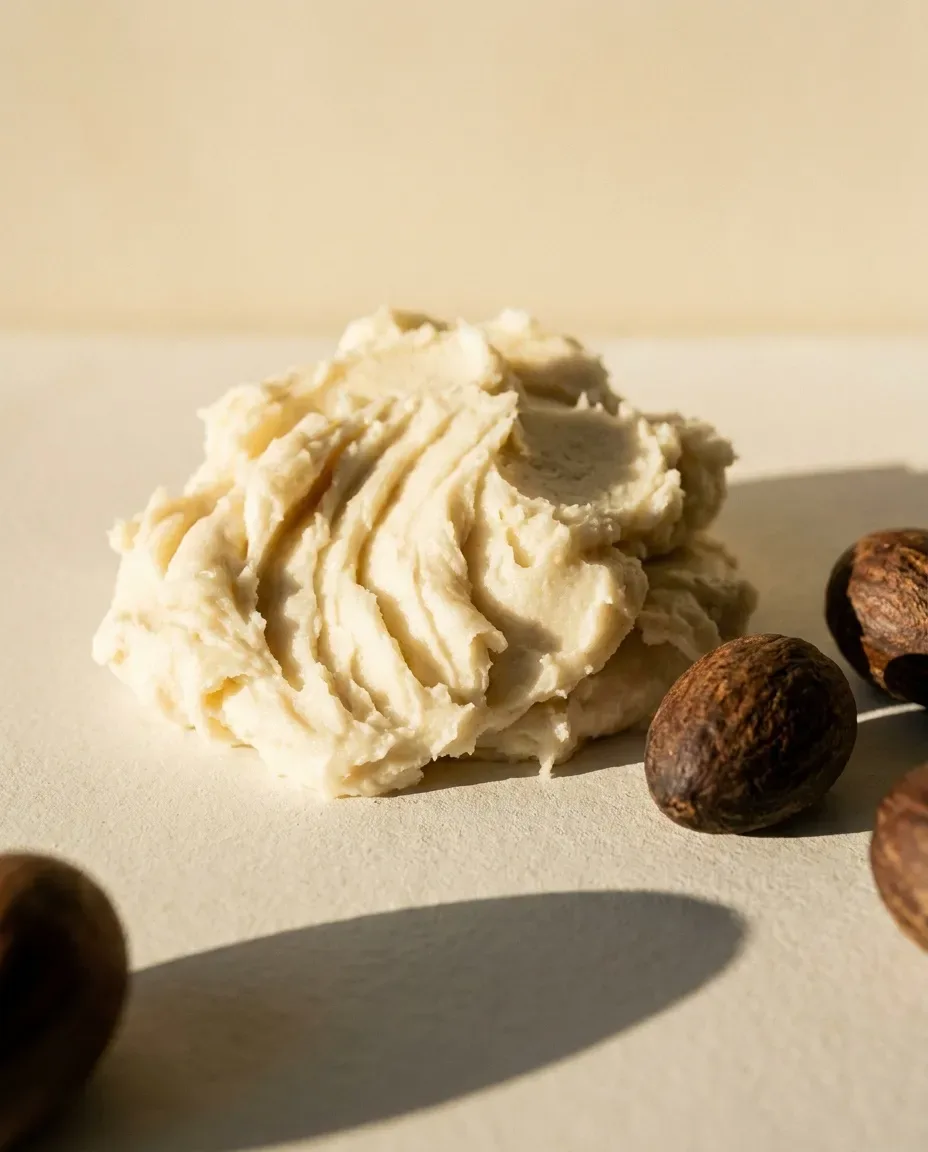
MoisturizingFound inThe Cream · The Balm
Butyrospermum Parkii (Shea) Butter
Key benefit Helps nourish and reduce moisture loss
Derived from the nuts of the shea tree, this rich plant butter is naturally composed of fatty acids and unsaponifiable compounds that help replenish skin lipids and support a compromised barrier. By forming a lipid-rich film on the skin surface, it helps reduce transepidermal water loss and improve comfort in delicate skin.
Skin conditioning · AntioxidantFound inThe Balm
Calendula Officinalis Flower Extract

Skin conditioning · AntioxidantFound inThe Balm
Calendula Officinalis Flower Extract
Key benefit Helps reduce redness and soothe delicate skin
Derived from calendula flowers, this botanical extract is rich in soothing and antioxidant compounds, including flavonoids and triterpenes. It helps comfort delicate skin while supporting barrier function and protecting against external stressors.
MoisturizingFound inThe Wash · The Cream
Caprylic/Capric Triglyceride
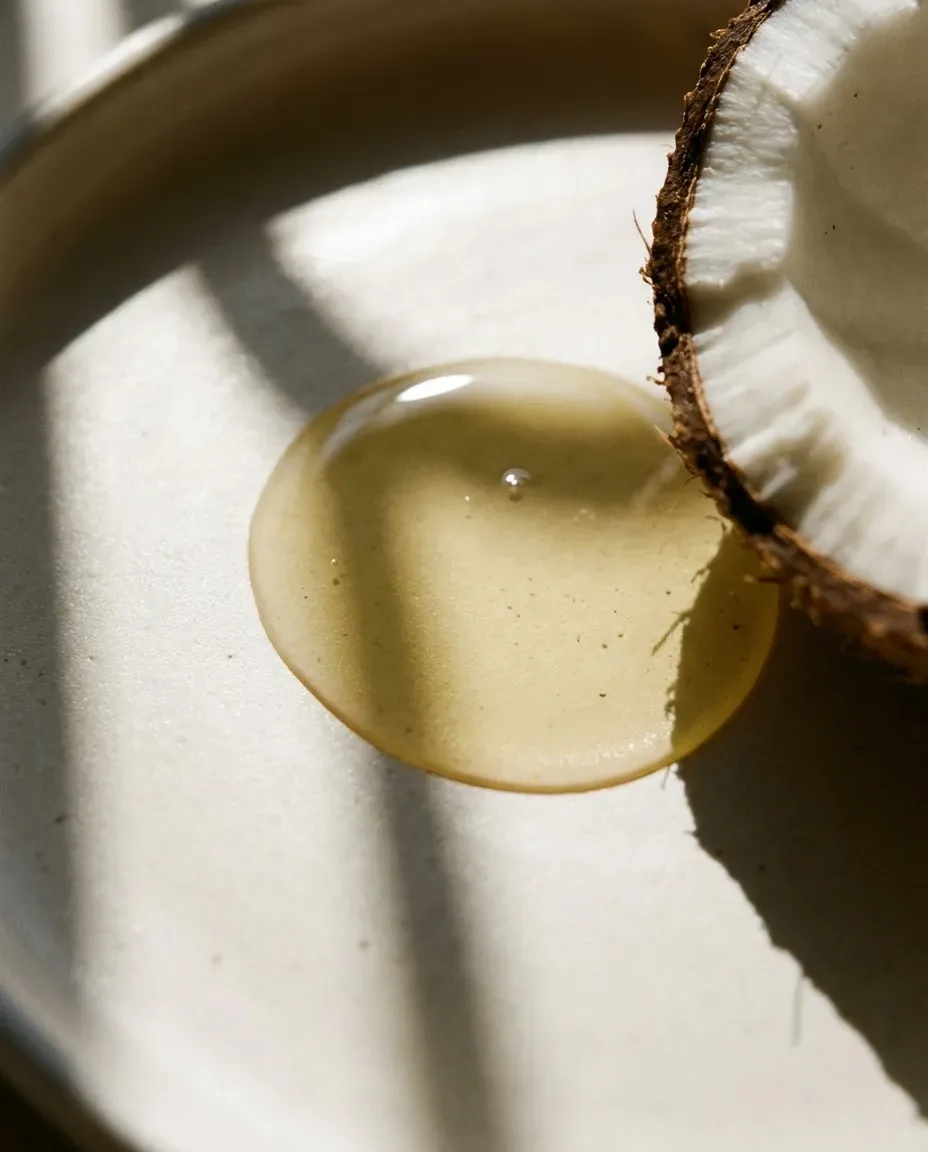
MoisturizingFound inThe Wash · The Cream
Caprylic/Capric Triglyceride
Key benefit Helps soften skin and improve comfort
A lightweight emollient derived from glycerin and fatty acids from coconut oil, caprylic/capric triglyceride helps smooth the skin surface and reduce feelings of dryness. Its gentle, silky texture makes it suitable for all skin types.
PreservativeFound inThe Cream
Caprylyl Glycol

PreservativeFound inThe Cream
Caprylyl Glycol
Key benefit Helps boost formula protection
A multifunctional ingredient with humectant properties, caprylyl glycol is primarily used to support the preservative system and help protect the formula against microbial growth. Its mild profile makes it suitable for delicate skin when used in well-balanced formulations.
Texture enhancerFound inThe Cream
Carbomer
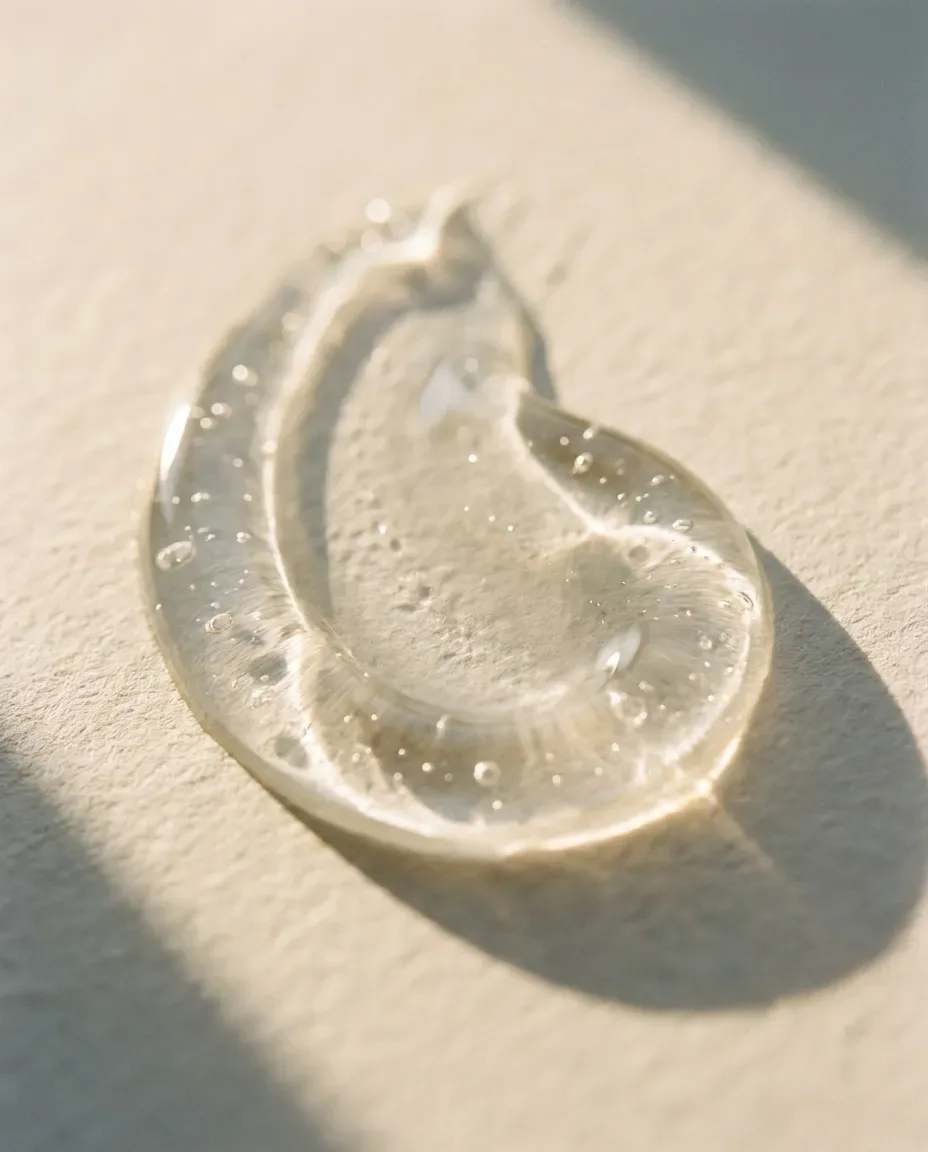
Texture enhancerFound inThe Cream
Carbomer
Key benefit Helps create a smooth, stable texture
A high-molecular-weight synthetic polymer used as a thickening and gelling agent, carbomer helps give formulas their desired consistency and improve product spreadability. It supports a pleasant, even application, which is especially important for delicate skin.
Research: International Journal of Toxicology (opens in a new tab)
Skin-identical ingredient · MoisturizingFound inThe Cream
Ceramide AP
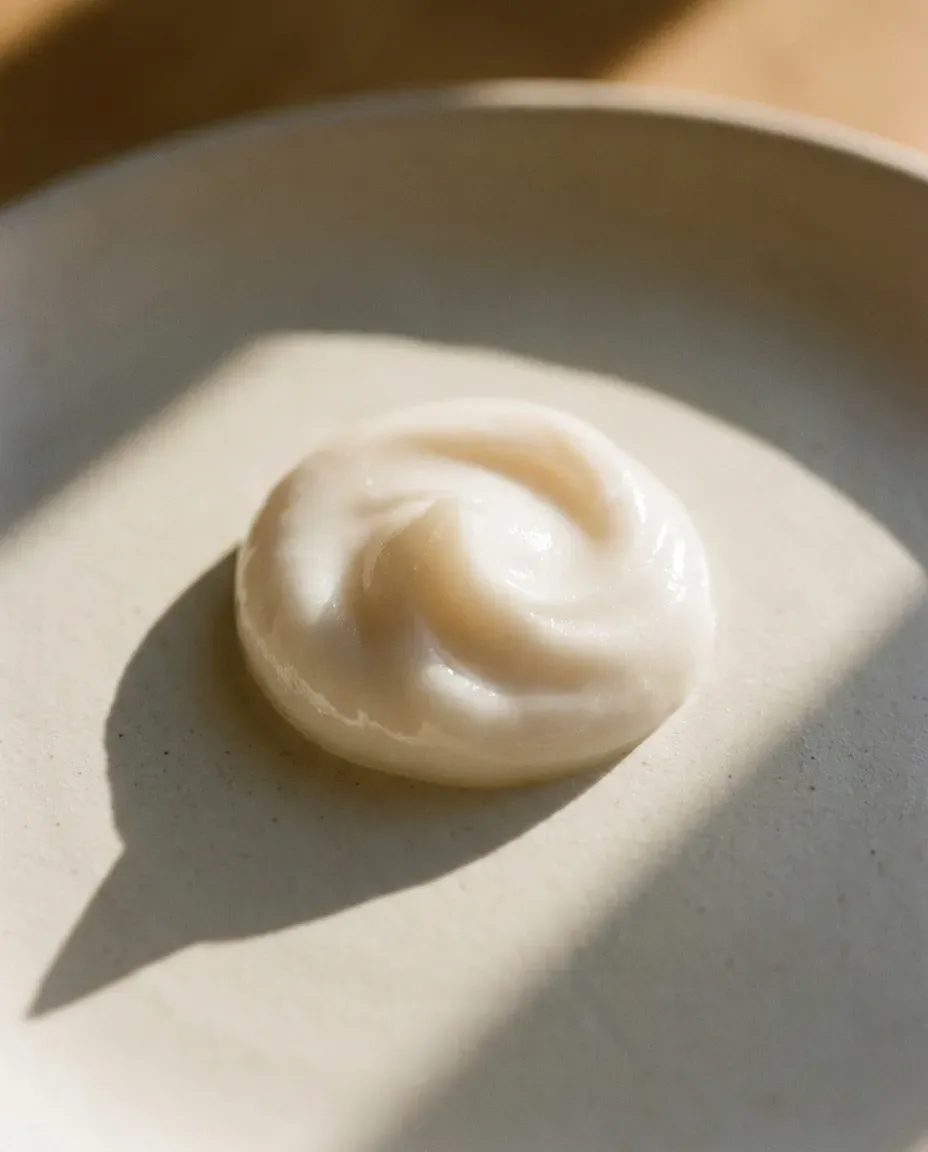
Skin-identical ingredient · MoisturizingFound inThe Cream
Ceramide AP
Key benefit Helps strengthen the skin barrier and reduce moisture loss
A skin-identical lipid naturally found in the stratum corneum, ceramide AP plays a key role in maintaining barrier integrity and skin cohesion. It helps replenish essential lipids, support a compromised barrier, and limit transepidermal water loss, making it especially beneficial for delicate skin.
Research: International Journal of Toxicology (opens in a new tab)
Skin-identical ingredient · MoisturizingFound inThe Cream
Ceramide EOP
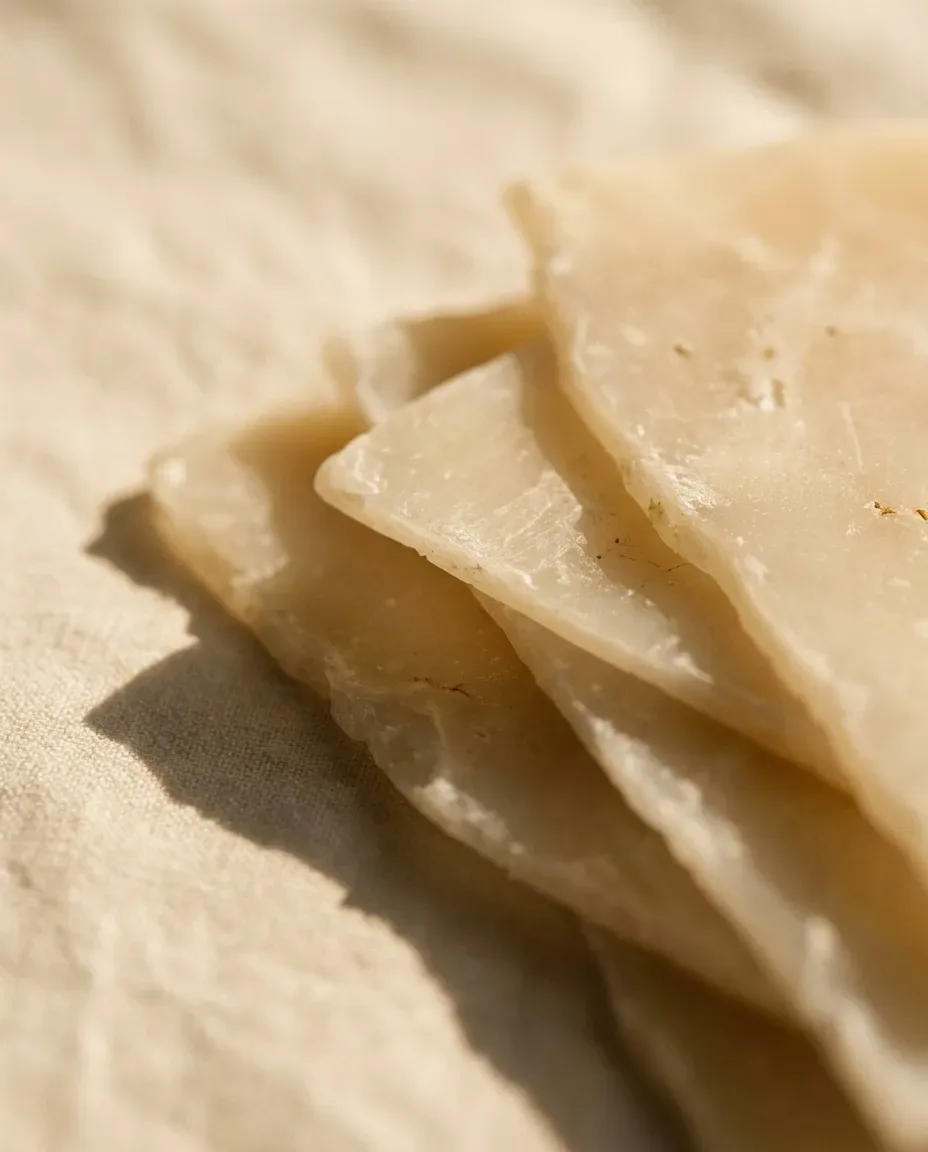
Skin-identical ingredient · MoisturizingFound inThe Cream
Ceramide EOP
Key benefit Helps reinforce the skin barrier and reduce moisture loss
A skin-identical lipid naturally present in the stratum corneum, ceramide EOP is involved in the organization and stability of the skin's lipid matrix. It helps support a compromised barrier, replenish essential lipids, and limit transepidermal water loss, making it especially beneficial for delicate skin.
Research: International Journal of Toxicology (opens in a new tab)
Skin-identical ingredient · MoisturizingFound inThe Cream
Ceramide NP
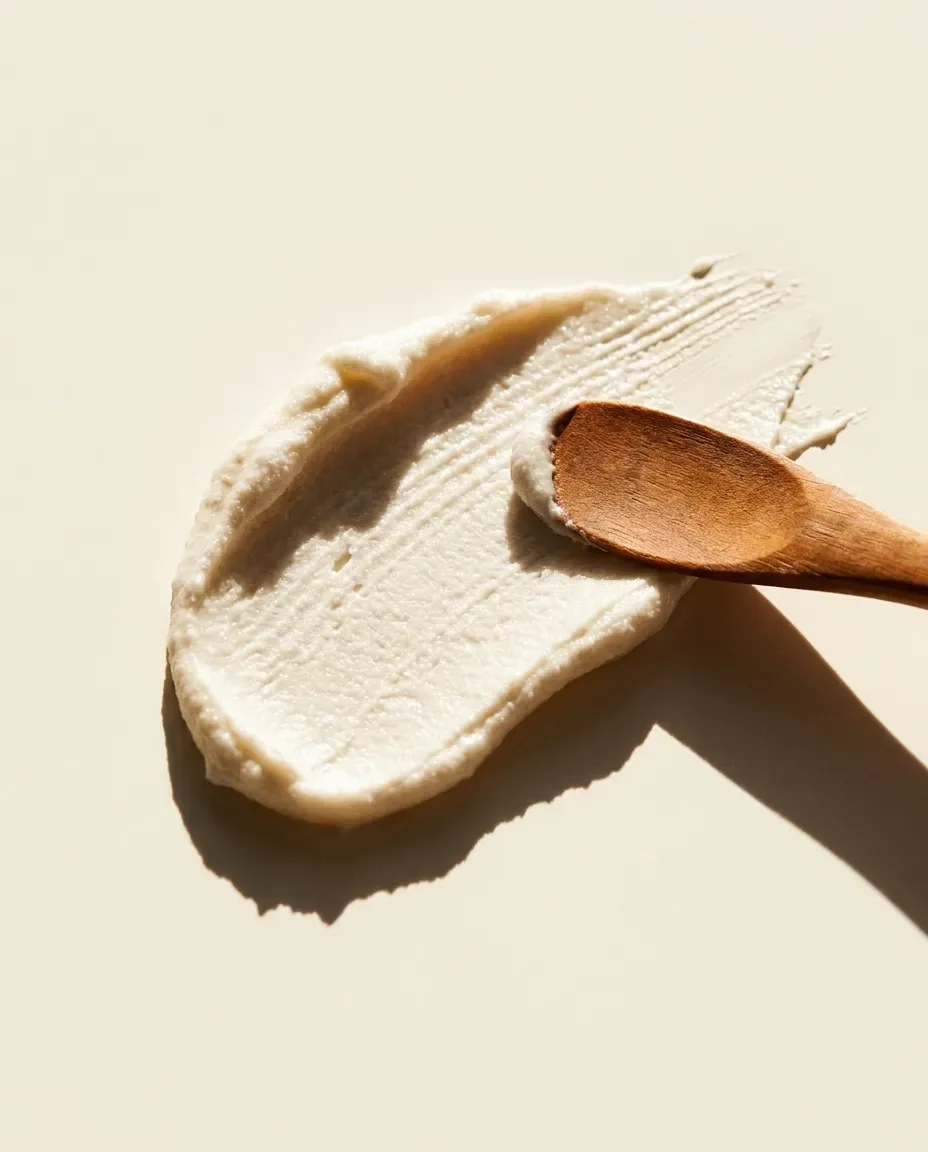
Skin-identical ingredient · MoisturizingFound inThe Cream
Ceramide NP
Key benefit Helps strengthen the skin barrier and improve skin comfort
A skin-identical lipid naturally found in the stratum corneum, ceramide NP is known for helping maintain barrier function and skin cohesion. It helps replenish essential lipids, reduce moisture loss, and support skin comfort, making it especially beneficial for delicate skin.
Texture enhancer · MoisturizingFound inThe Wash · The Cream
Cetyl Alcohol
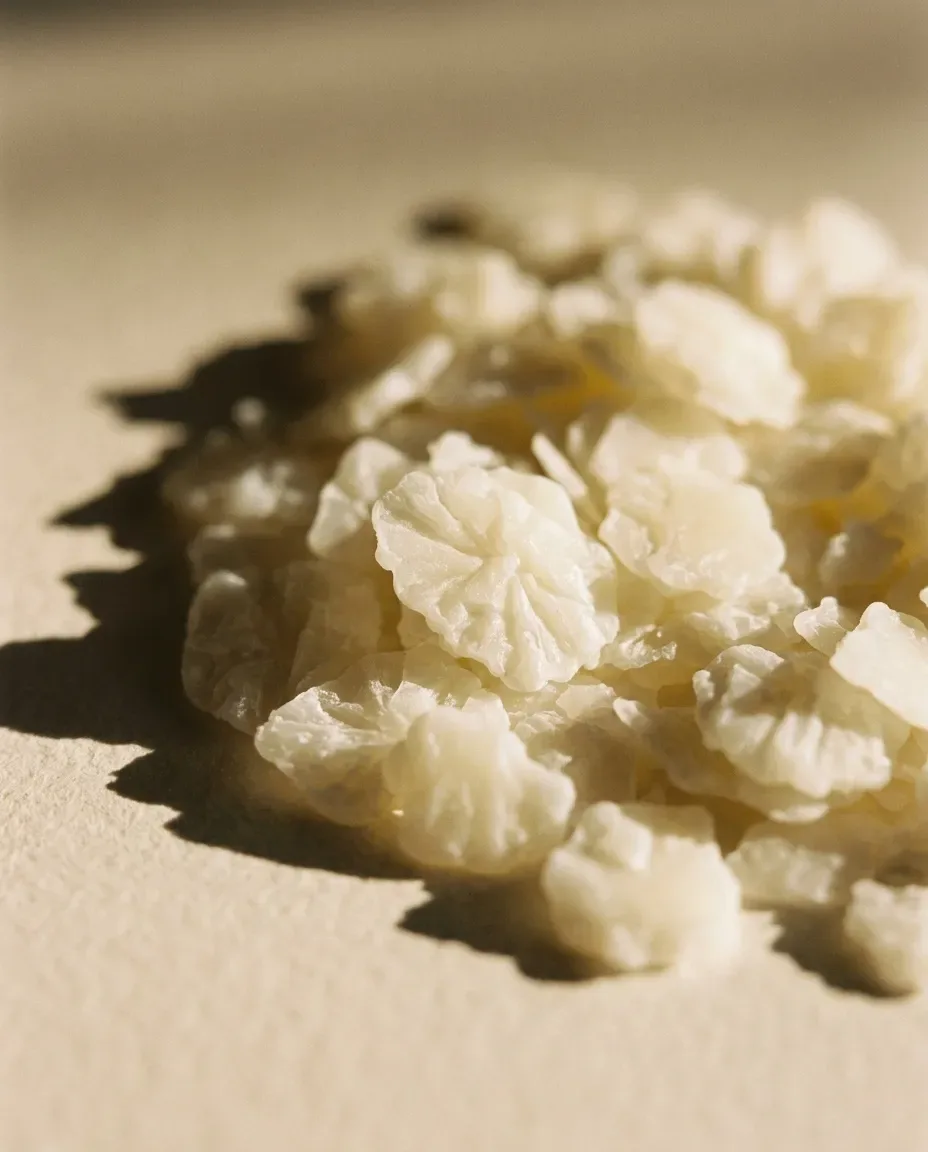
Texture enhancer · MoisturizingFound inThe Wash · The Cream
Cetyl Alcohol
Key benefit Helps soften skin and enhance formula texture
A fatty alcohol commonly used in skincare, cetyl alcohol helps give formulas more body and stability while also providing emollient benefits. It helps soften the skin and support a smooth, comfortable application, making it well suited to fragilized skin.
Research: International Journal of Toxicology (opens in a new tab)
Moisturizing · Texture enhancerFound inThe Cream
Cetyl Esters
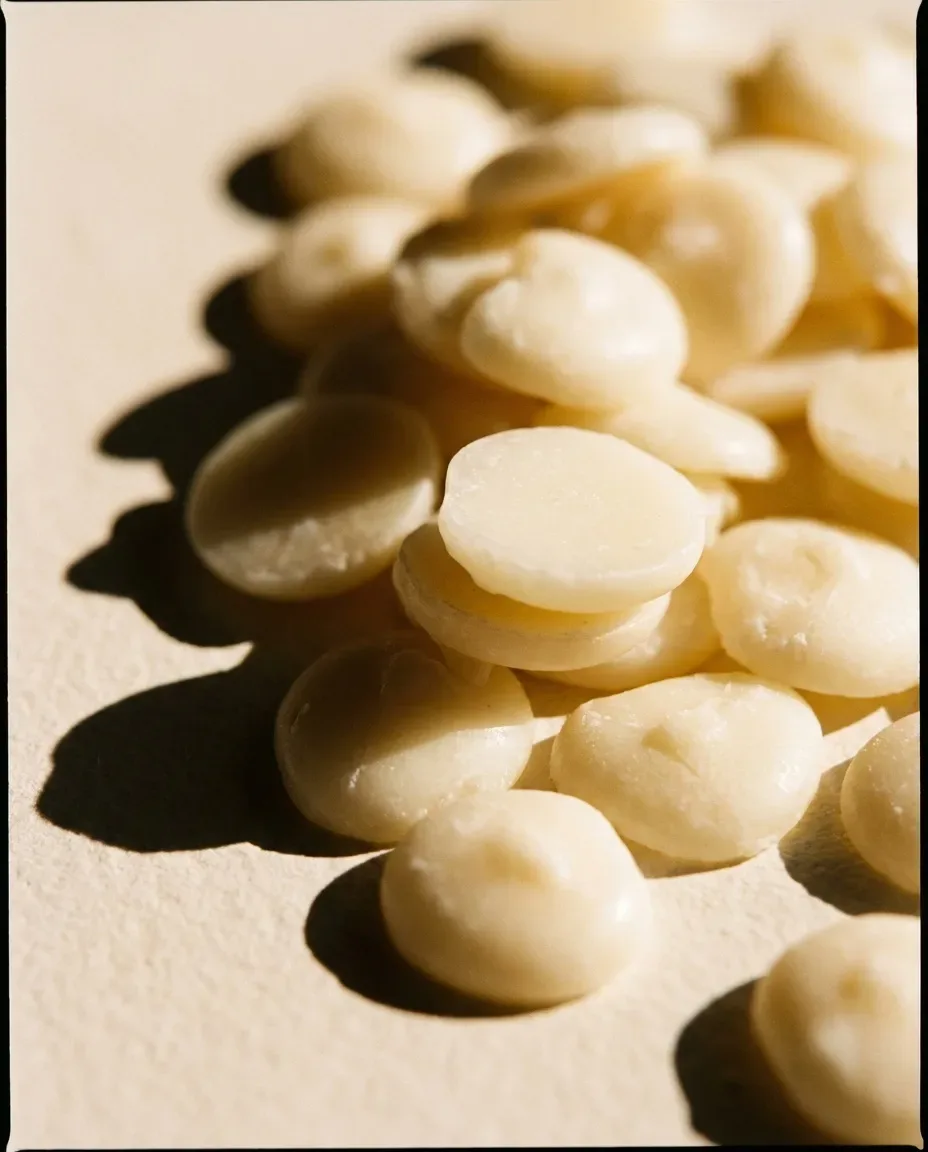
Moisturizing · Texture enhancerFound inThe Cream
Cetyl Esters
Key benefit Helps soften skin and improve texture
A blend of waxy esters made from fatty acids and fatty alcohols, cetyl esters help soften the skin while improving the texture and consistency of the formula. Their emollient and texture-enhancing properties support smooth, comfortable application, making them well suited to delicate skin.
Research: International Journal of Toxicology (opens in a new tab)
Skin-identical ingredient · MoisturizingFound inThe Cream
Cholesterol
Skin-identical ingredient · MoisturizingFound inThe Cream
Cholesterol
Key benefit Helps reinforce the skin barrier and reduce moisture loss
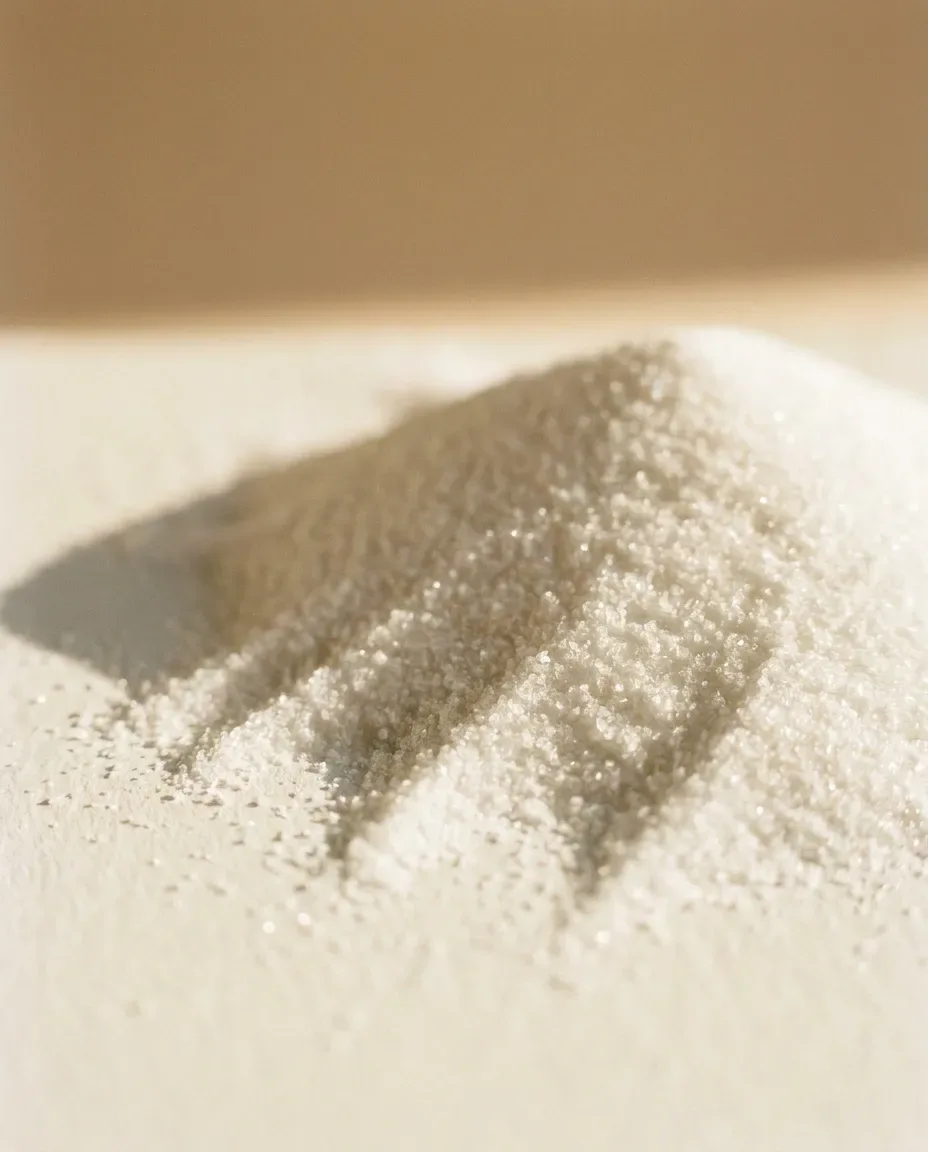
A skin-identical lipid naturally present in the stratum corneum, cholesterol is a key component of the skin barrier alongside ceramides and fatty acids. Together, these lipids play an essential role in maintaining a healthy barrier and helping the skin retain moisture. Cholesterol helps replenish essential lipids, support a compromised barrier, and limit transepidermal water loss, making it especially beneficial for delicate skin.
pH adjusterFound inThe Wash
Citric Acid
pH adjusterFound inThe Wash
Citric Acid
Key benefit Helps maintain the formula's optimal pH
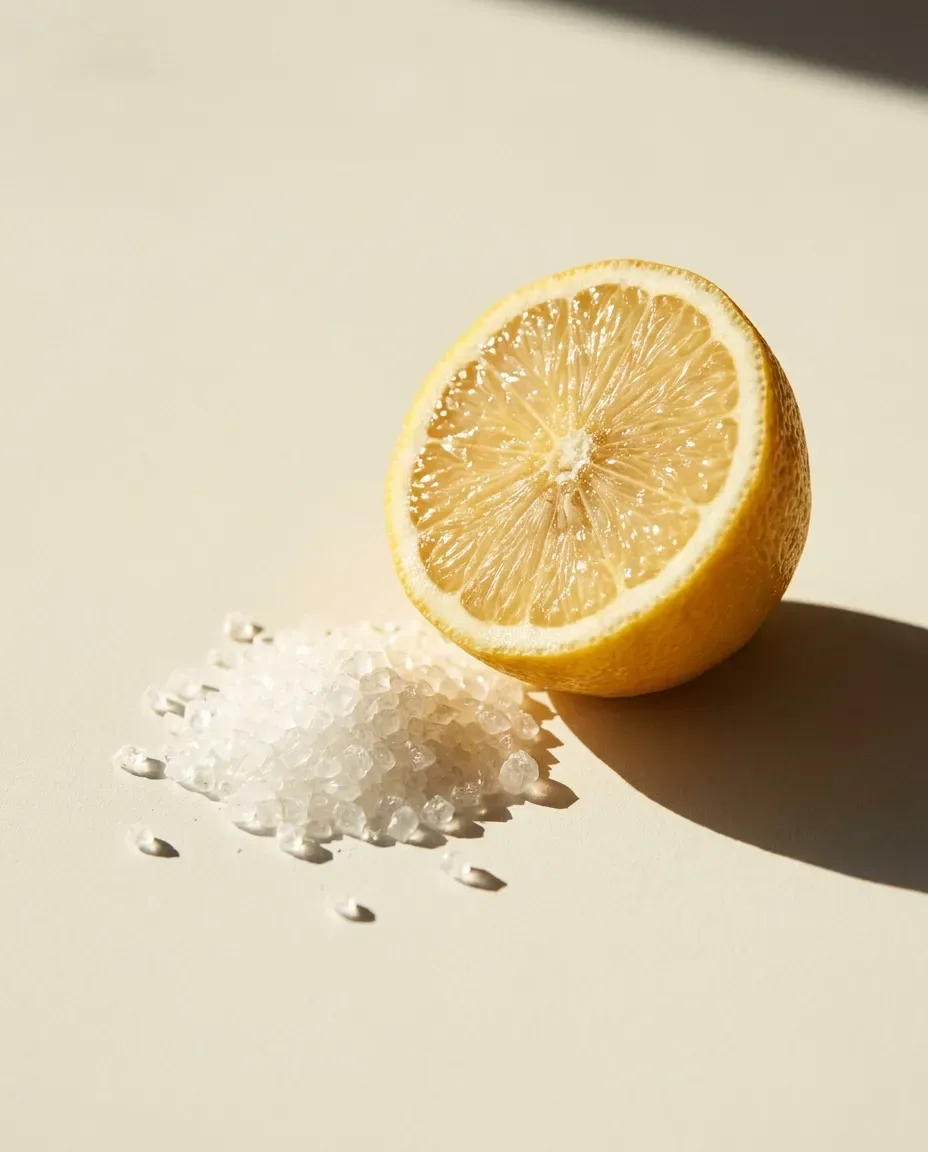
A naturally occurring organic acid found in citrus fruits, citric acid is used to adjust and stabilize the pH of skincare formulas. Helping maintain an appropriate pH is important for product stability and skin compatibility.
Cleansing agentFound inThe Wash
Cocamidopropyl Betaine
Cleansing agentFound inThe Wash
Cocamidopropyl Betaine
Key benefit Helps cleanse the skin gently
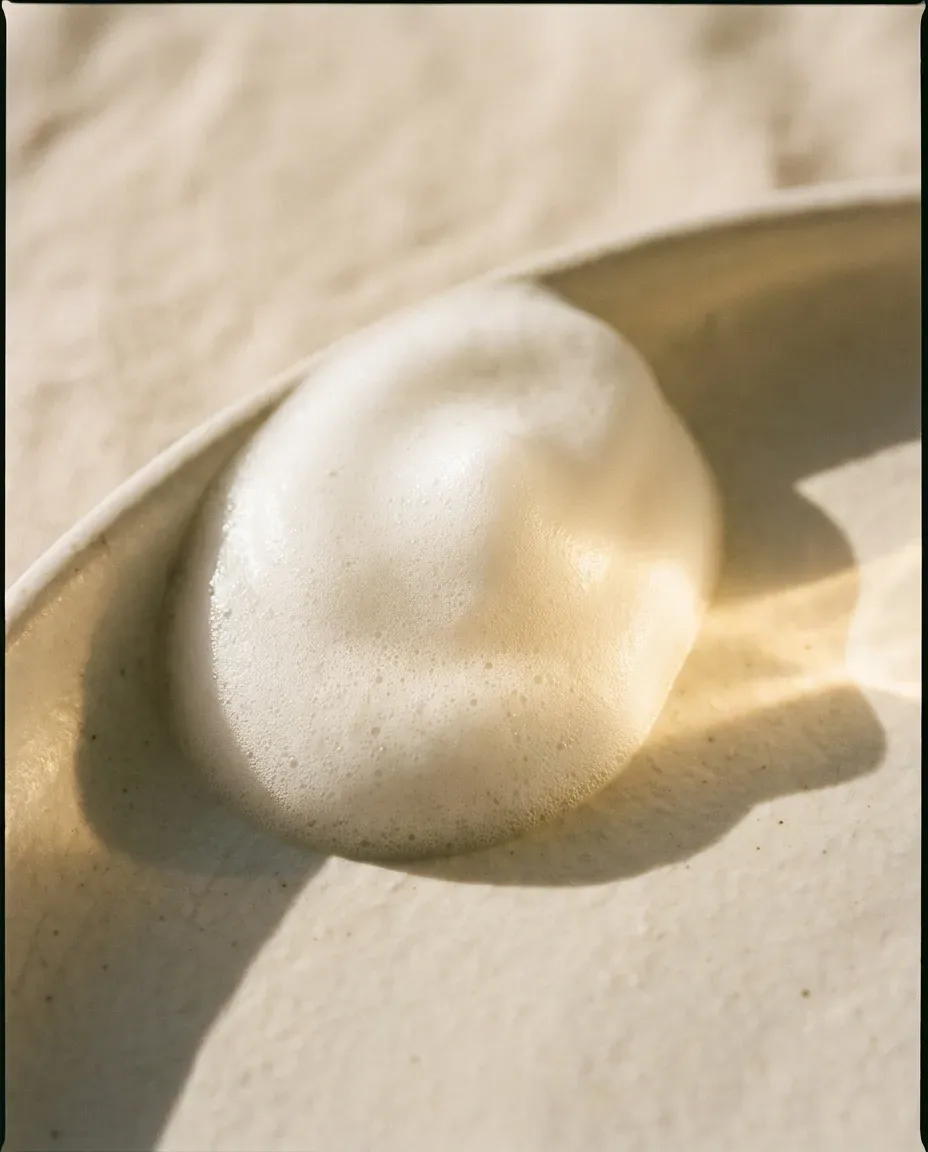
A mild surfactant derived from coconut fatty acids, cocamidopropyl betaine helps lift away impurities while supporting a softer cleansing experience. It is often used to reduce the harshness of cleansing systems, making formulas more suitable for delicate skin.
Cleansing agentFound inThe Wash
Cocamidopropyl Hydroxysultaine
Cleansing agentFound inThe Wash
Cocamidopropyl Hydroxysultaine
Key benefit Helps cleanse the skin gently
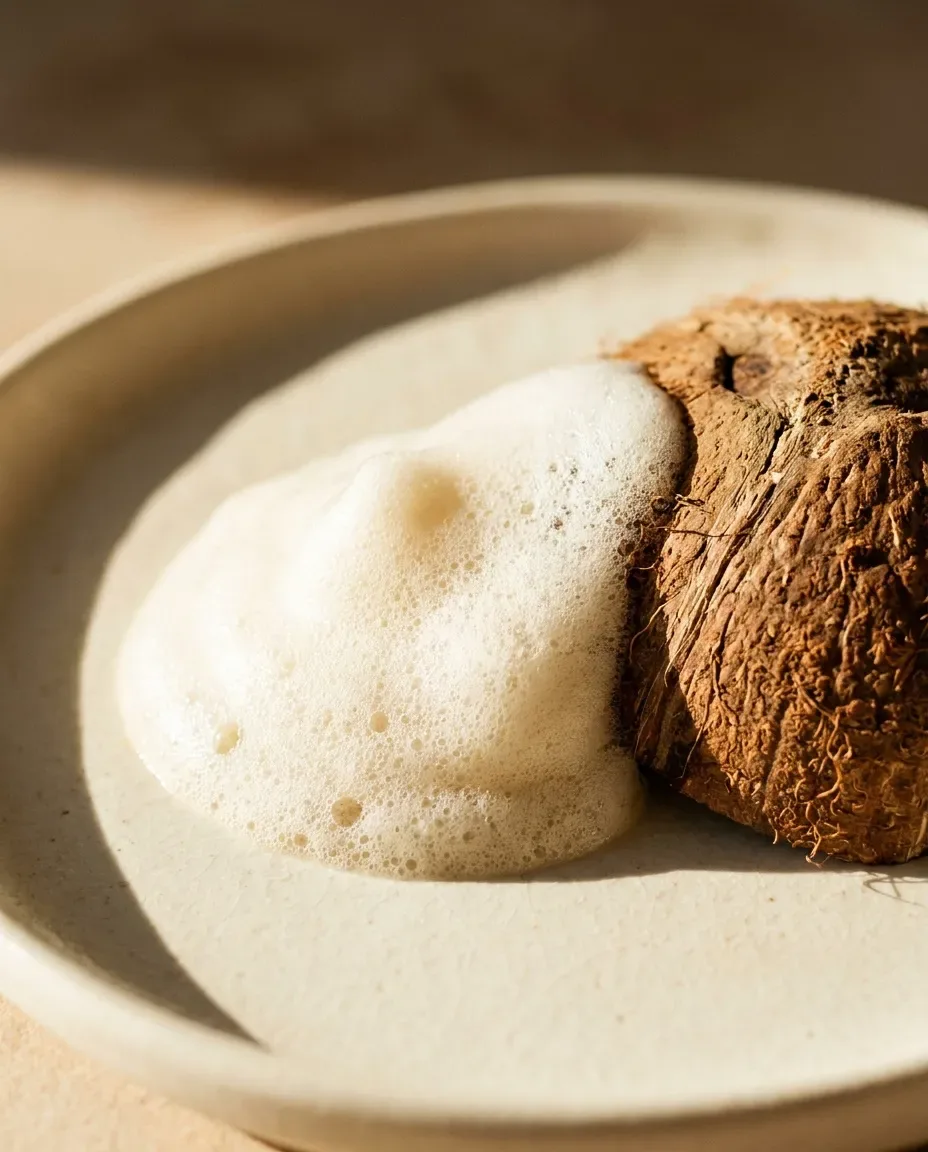
A mild amphoteric surfactant derived from coconut fatty acids, cocamidopropyl hydroxysultaine helps remove impurities while contributing to a softer, more skin-friendly cleansing experience. It is often used to improve formula mildness, making it well suited to delicate skin.
Research: International Journal of Toxicology (opens in a new tab)
Firming peptideFound inThe Cream
Dipalmitoyl Hydroxyproline
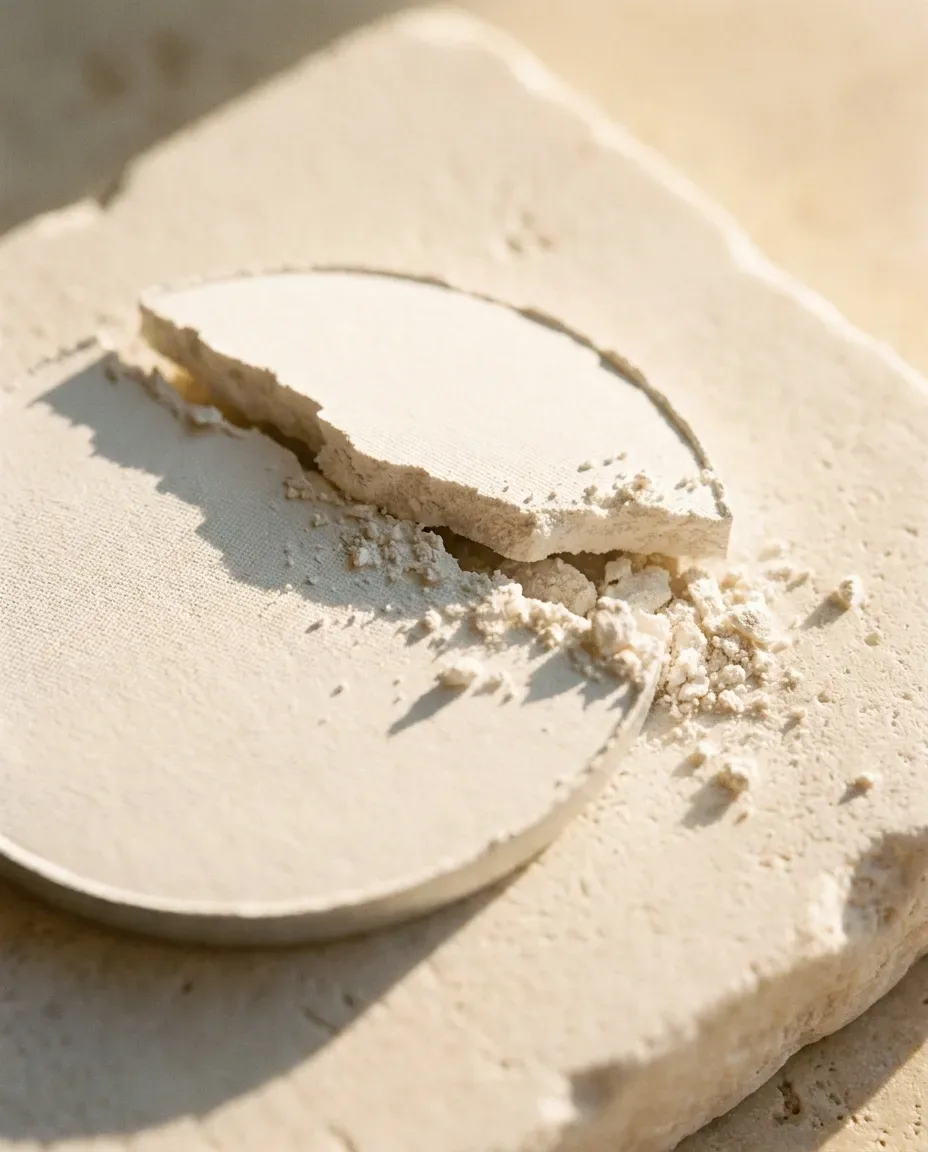
Firming peptideFound inThe Cream
Dipalmitoyl Hydroxyproline
Key benefit Helps improve skin firmness
A lipoamino acid derived from hydroxyproline, an amino acid naturally involved in collagen structure, dipalmitoyl hydroxyproline is known for its firming properties. It helps support skin tone and suppleness, making it a useful ingredient for skin showing signs of fragility or loss of firmness.
PreservativeFound inThe Wash · The Cream
Ethylhexylglycerin
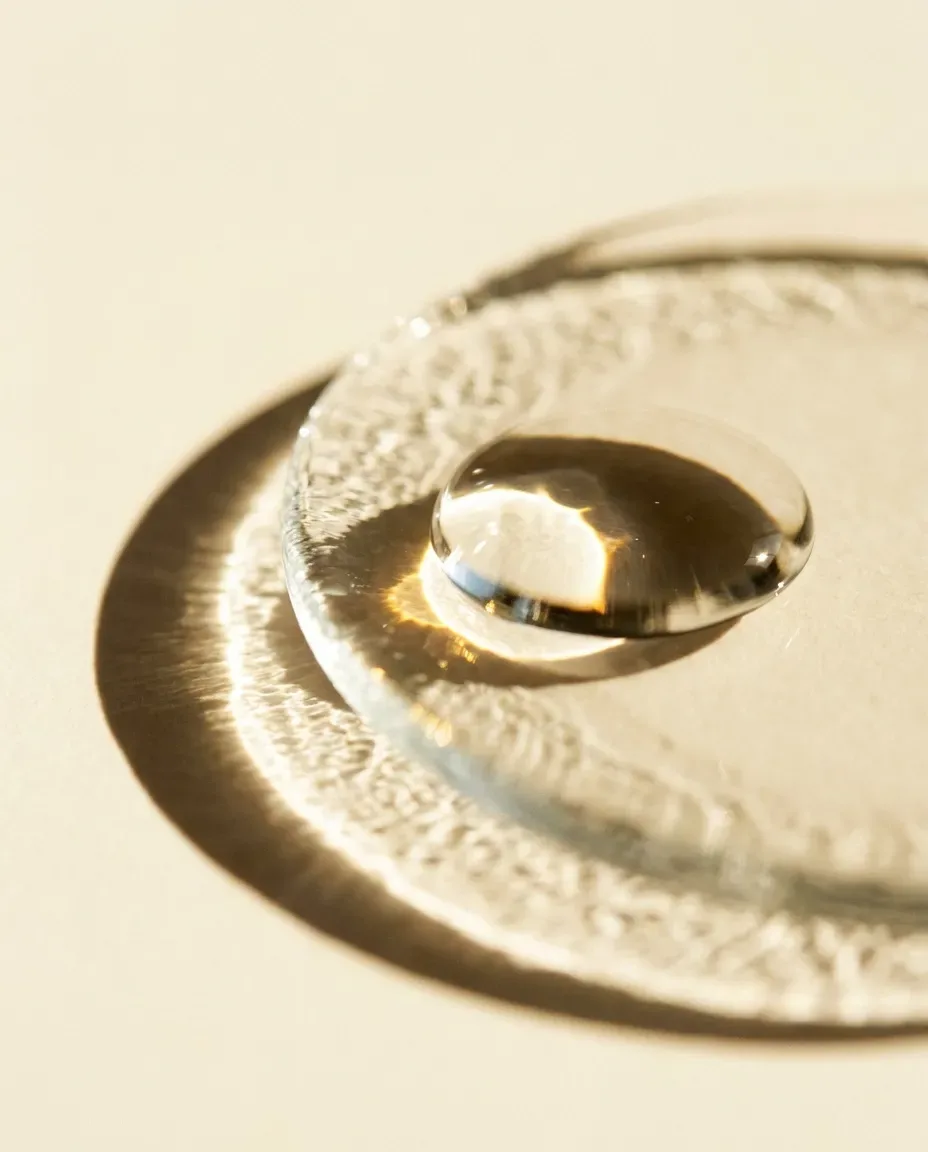
PreservativeFound inThe Wash · The Cream
Ethylhexylglycerin
Key benefit Helps boost formula protection
A multifunctional ingredient derived from glycerin, ethylhexylglycerin is mainly used to support the preservative system and enhance protection against microbial growth. It also contributes to a mild, skin-friendly sensory profile, making it suitable for delicate skin when used in well-balanced formulations.
Texture enhancerFound inThe Balm
Glyceryl Behenate/Eicosadioate
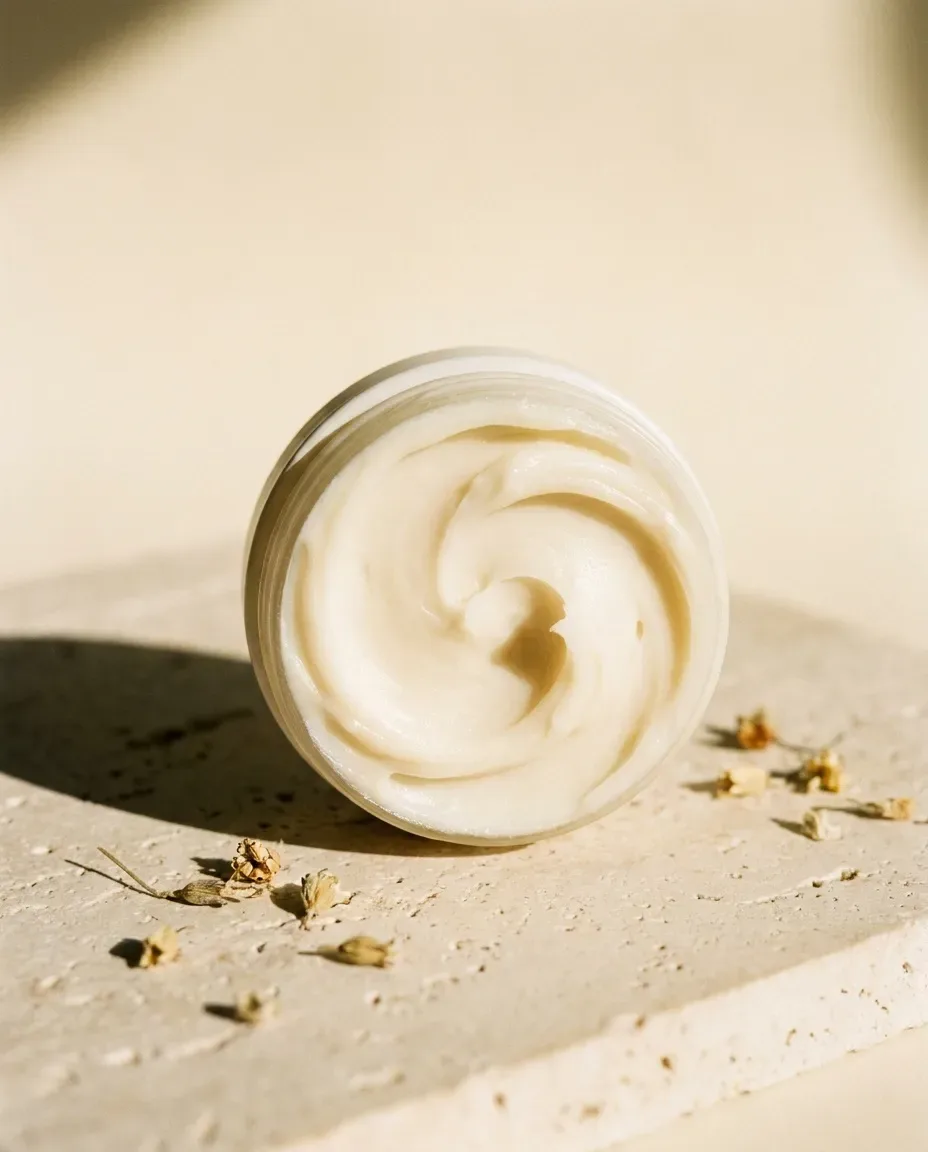
Texture enhancerFound inThe Balm
Glyceryl Behenate/Eicosadioate
Key benefit Helps soften skin and improves balm structure
An emollient ester made from glycerin and long-chain fatty acids, glyceryl behenate/eicosadioate helps give formulas a smoother, richer texture while softening the skin surface. Its texture-enhancing properties support comfortable application, making it well suited to delicate skin.
Research: International Journal of Toxicology (opens in a new tab)
Texture enhancerFound inThe Cream
Glyceryl Stearate
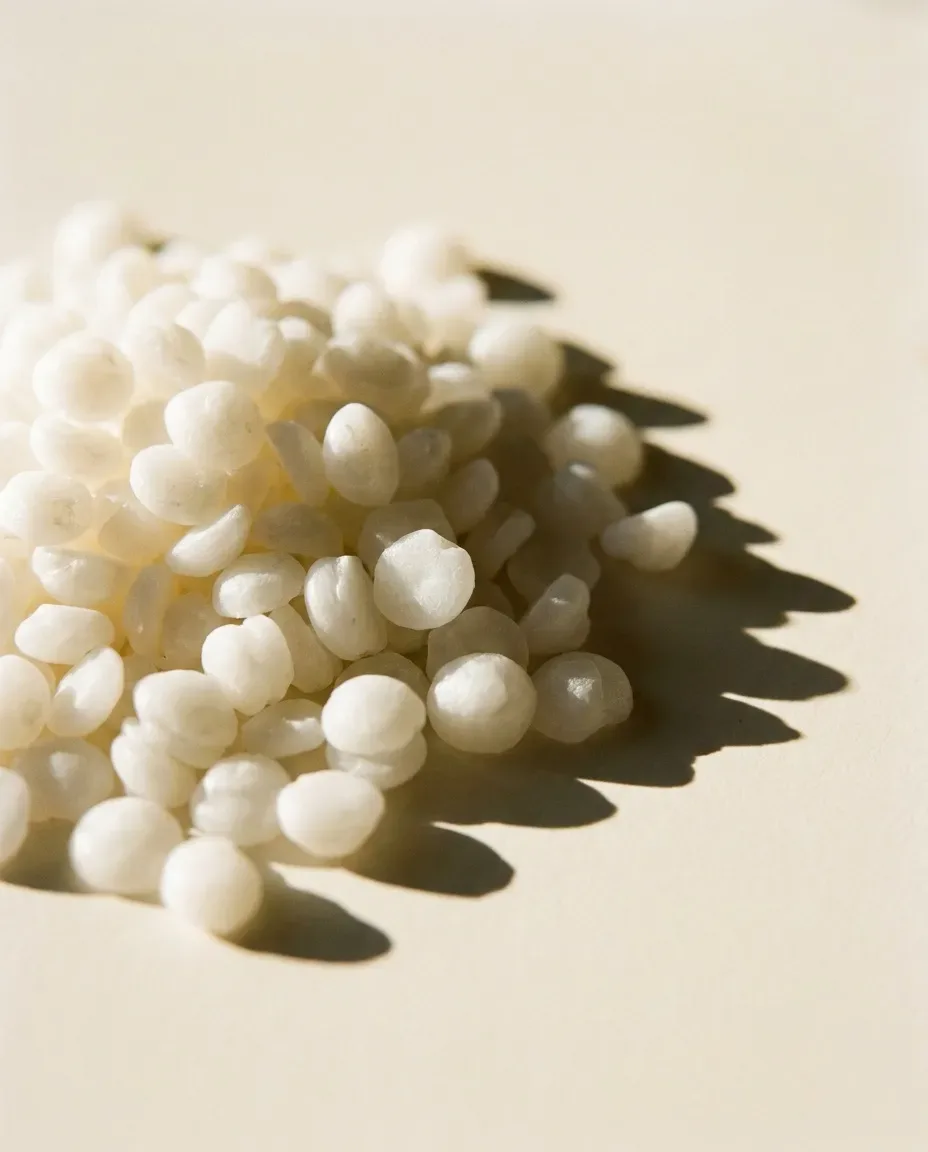
Texture enhancerFound inThe Cream
Glyceryl Stearate
Key benefit Helps soften skin and stabilize emulsion
An emulsifying lipid made from glycerin and stearic acid, found naturally in the human body. Glyceryl stearate helps bind water and oil phases together while providing emollient benefits. It helps improve formula texture, support smooth application, and soften the skin.
Research: International Journal of Toxicology (opens in a new tab)
Texture enhancerFound inThe Cream
Glyceryl Stearate Citrate
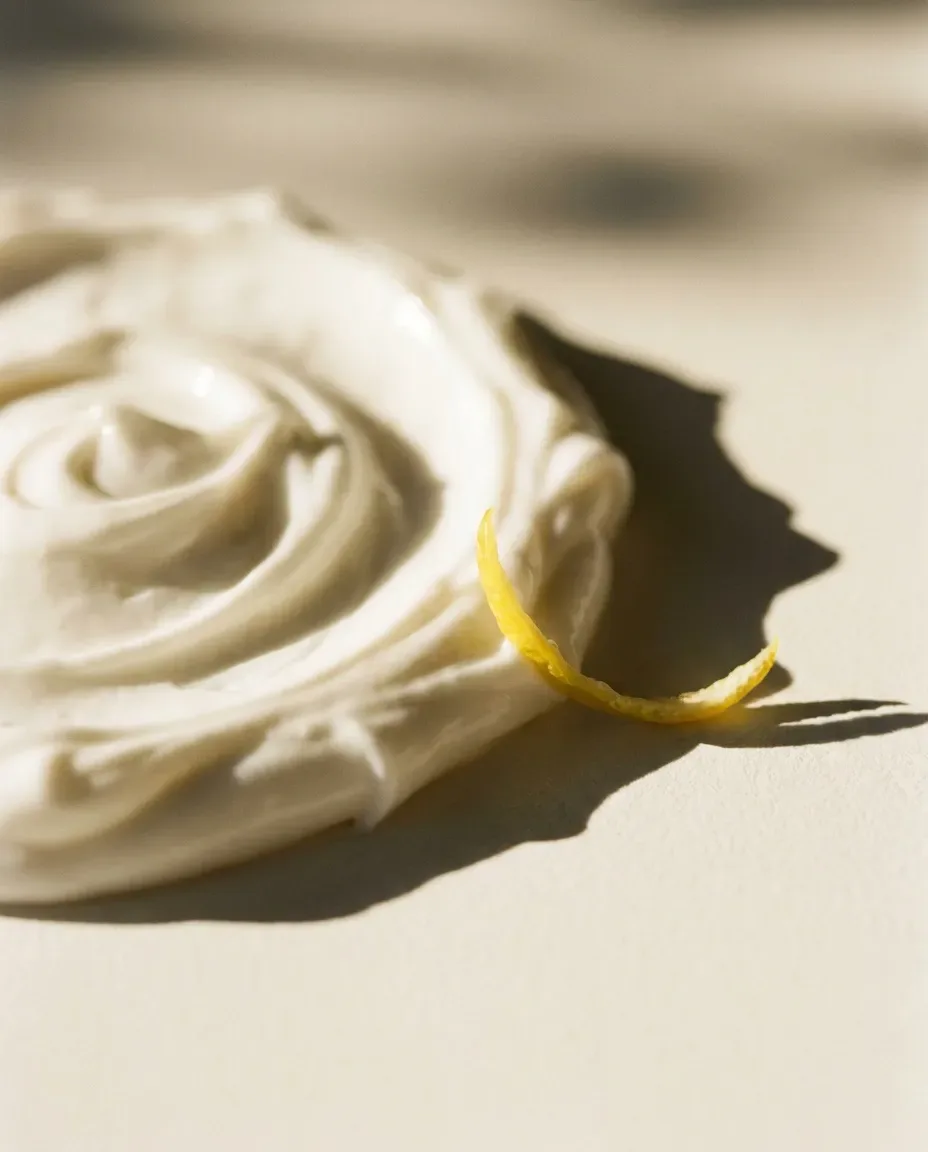
Texture enhancerFound inThe Cream
Glyceryl Stearate Citrate
Key benefit Helps soften skin and improves formula stability
An emulsifying ingredient derived from glycerin, stearic acid, and citric acid, glyceryl stearate citrate helps blend water and oil phases while providing emollient benefits. It helps improve formula texture, support smooth application, and soften the skin, making it well suited to fragilized skin.
Research: International Journal of Toxicology (opens in a new tab)
Texture enhancerFound inThe Wash
Glyceryl Stearate SE
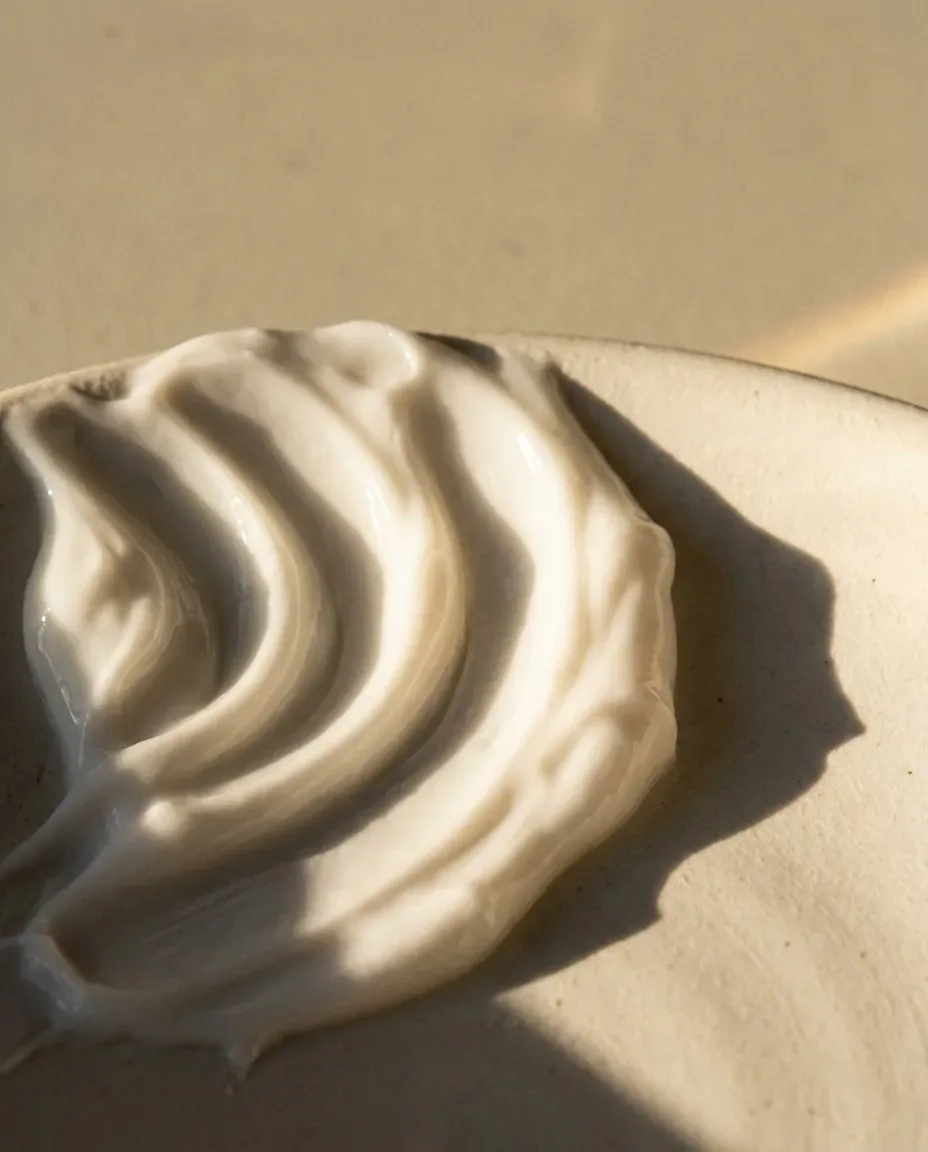
Texture enhancerFound inThe Wash
Glyceryl Stearate SE
Key benefit Helps stabilize the formula and improve texture
A self-emulsifying ingredient derived from glycerin and stearic acid, glyceryl stearate SE helps blend oil and water phases while also contributing to a richer, more stable texture. It supports smooth, even application, which is especially important for delicate skin.
Research: International Journal of Toxicology (opens in a new tab)
MoisturizingFound inThe Balm
Glycine Soja (Soybean) Oil
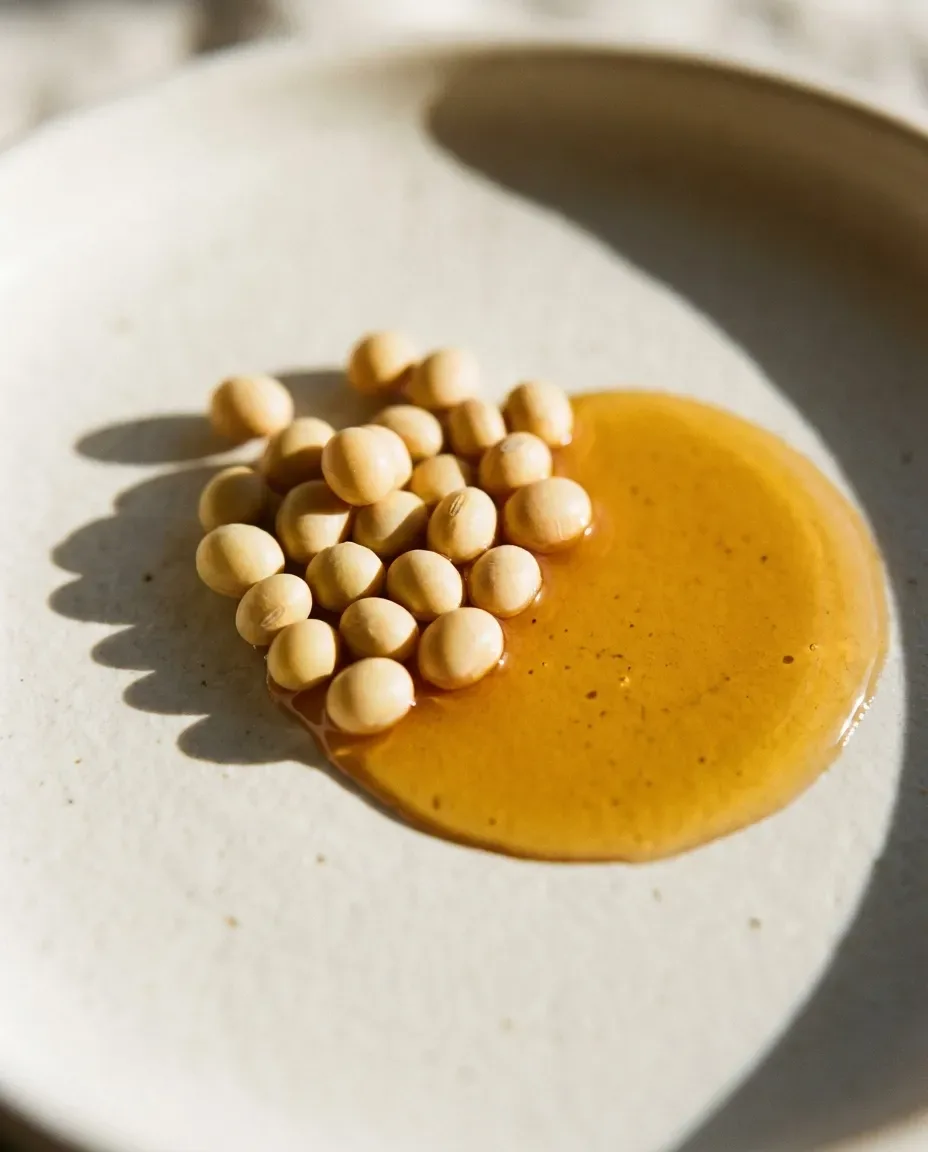
MoisturizingFound inThe Balm
Glycine Soja (Soybean) Oil
Key benefit Helps nourish and soften the skin
Derived from soybeans, this plant oil is naturally rich in fatty acids and antioxidant compounds that help replenish skin lipids and improve suppleness. Its emollient properties help soften the skin and support comfort, making it well suited to fragilized skin.
Research: International Journal of Toxicology (opens in a new tab)
Texture enhancerFound inThe Balm
Helianthus Annuus (Sunflower) Seed Wax
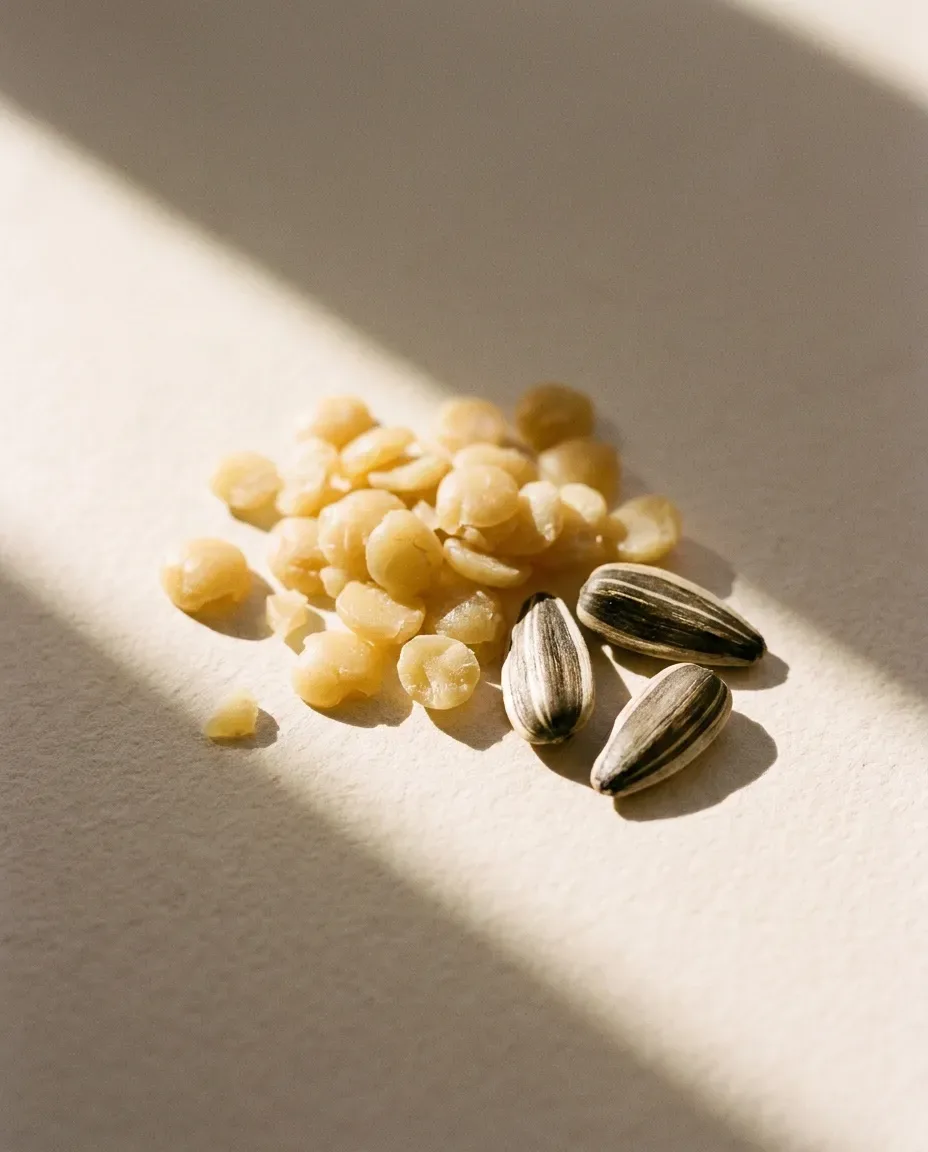
Texture enhancerFound inThe Balm
Helianthus Annuus (Sunflower) Seed Wax
Key benefit Helps protect the skin and enhances balm texture
Vegetable wax composed of long-chain fatty compounds that help give formulas more structure and consistency. It also forms a protective film on the skin surface that helps reduce moisture loss.
Research: International Journal of Toxicology (opens in a new tab)
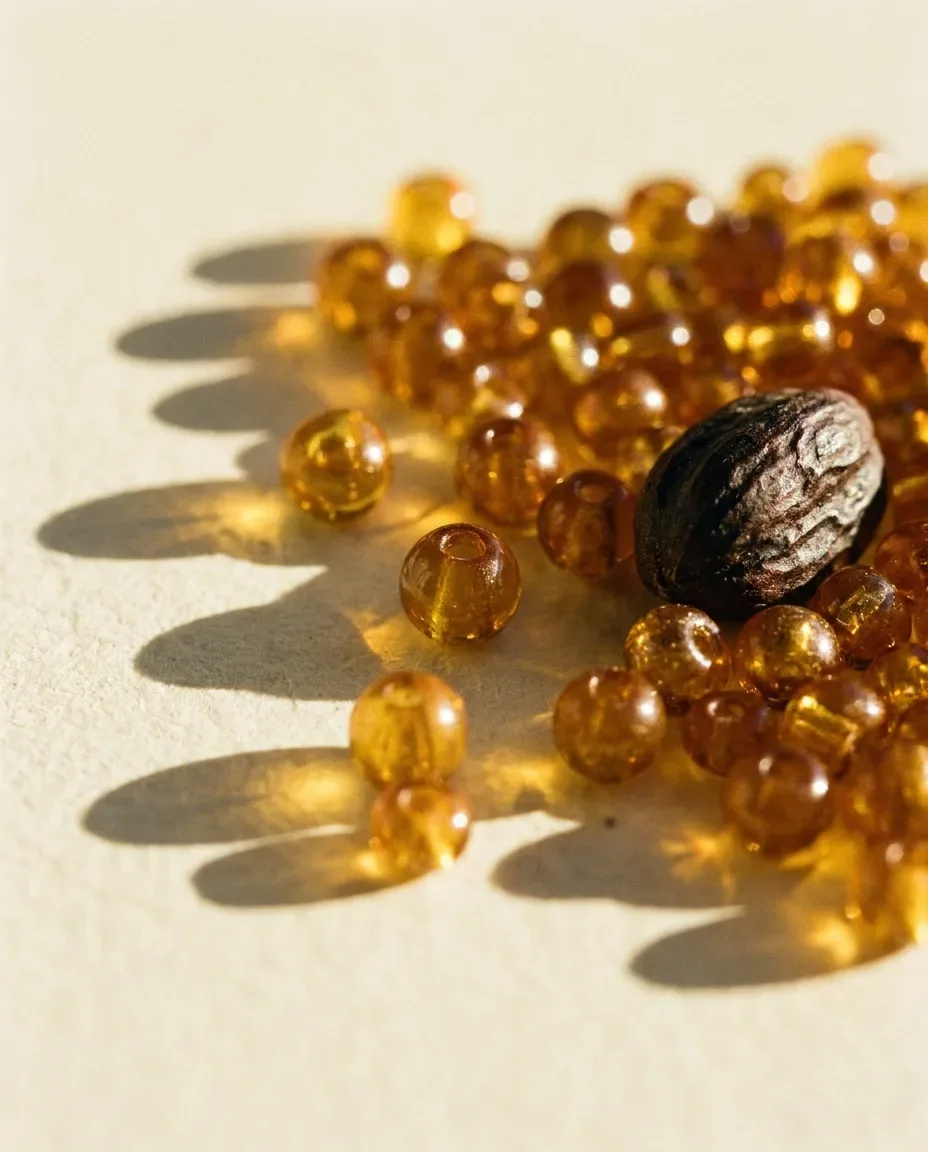
Moisturizing · Texture enhancerFound inThe Cream · The Balm
Jojoba Esters
Moisturizing · Texture enhancerFound inThe Cream · The Balm
Jojoba Esters
Key benefit Helps soften skin and improve comfort
Derived from jojoba oil, these wax esters are structurally close to the skin's surface lipids and are known for their softening properties. They help smooth the skin, improve formula texture, and support comfortable application, making them well suited to sensitive skin.
Research: International Journal of Toxicology (opens in a new tab)
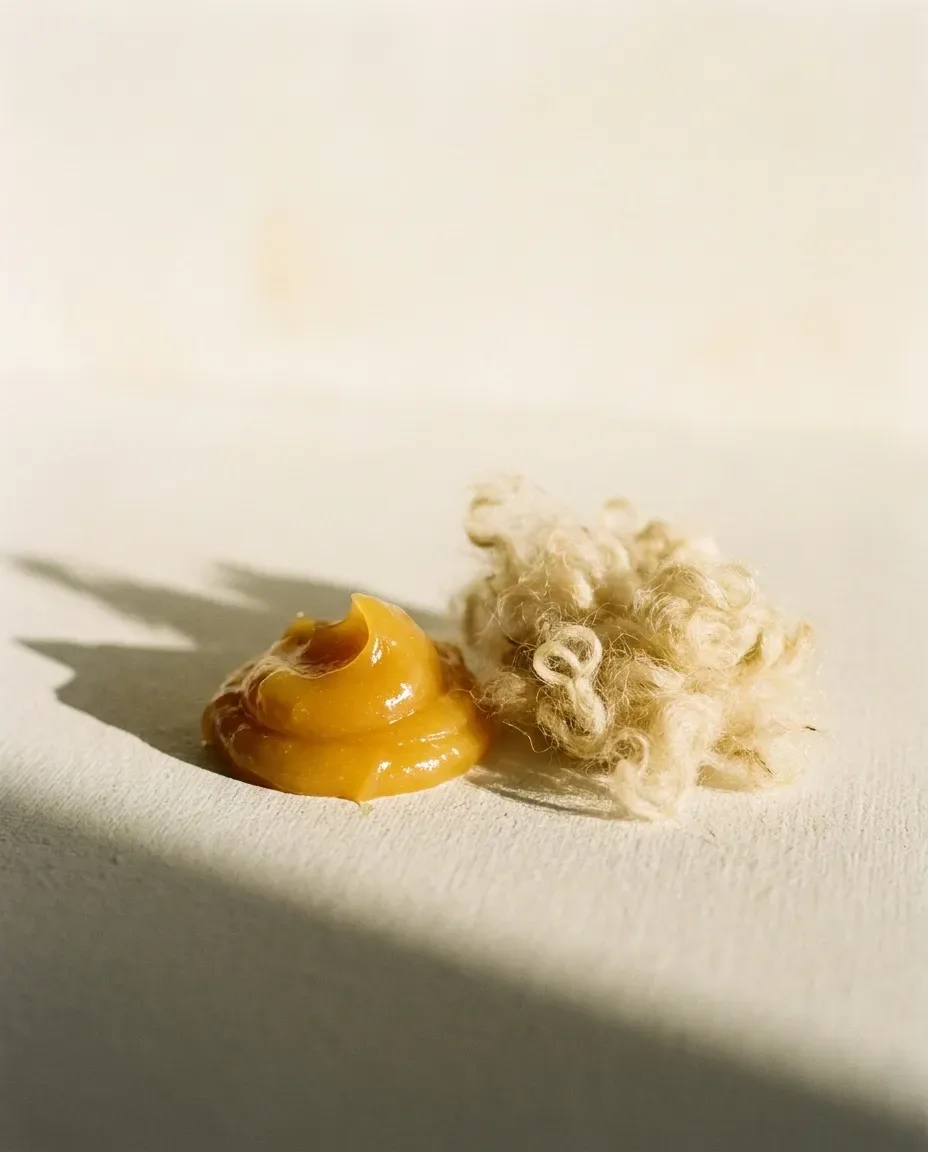
MoisturizingFound inThe Balm
Lanolin
MoisturizingFound inThe Balm
Lanolin
Key benefit Helps protect the skin and reduce moisture loss
A waxy substance derived from sheep's wool, lanolin is naturally rich in lipid-like compounds that help soften the skin and reinforce its protective surface. Its emollient and occlusive properties help improve comfort and limit transepidermal water loss, making it especially beneficial for dry fragilized skin.
Research: International Journal of Toxicology (opens in a new tab)
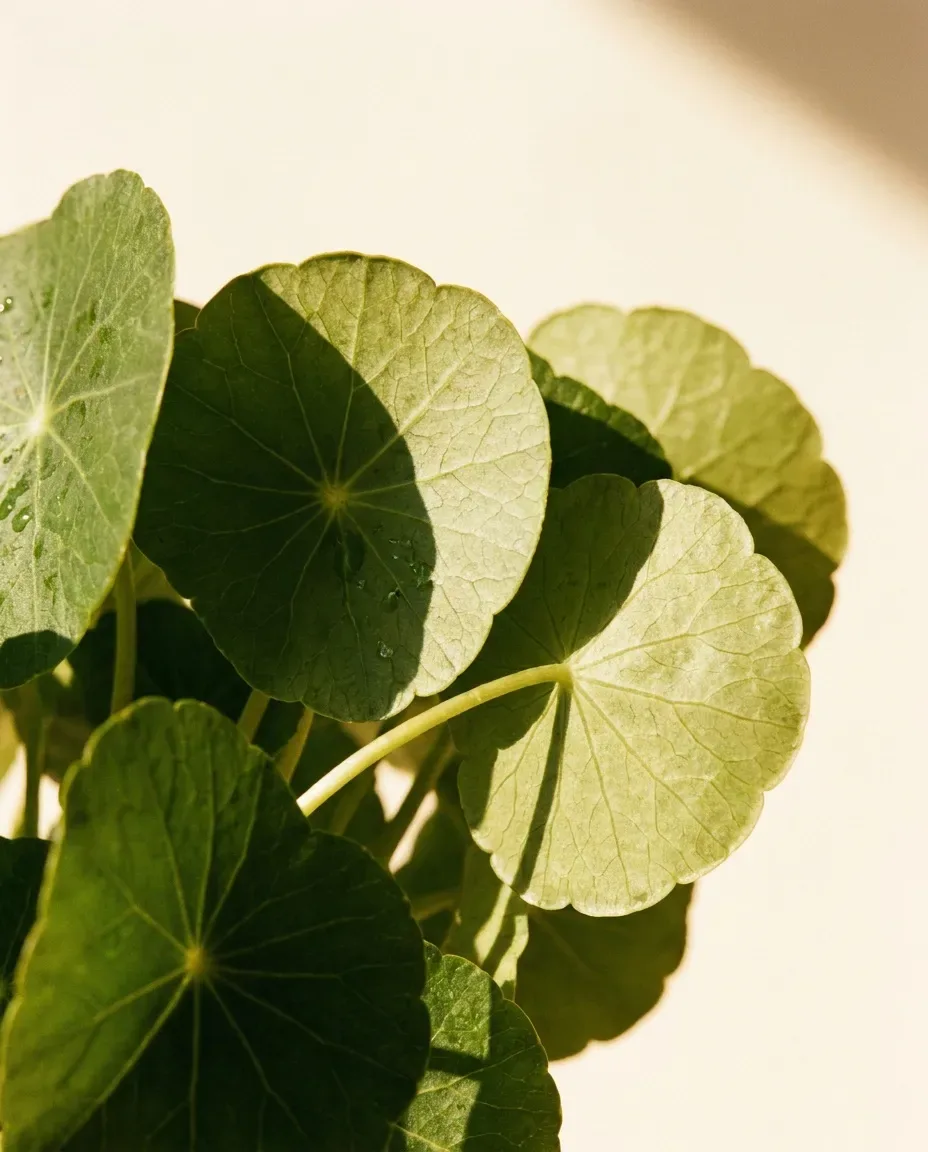
Skin conditioning · AntioxidantFound inThe Balm
Madecassoside
Skin conditioning · AntioxidantFound inThe Balm
Madecassoside
Key benefit Helps soothe skin and support barrier recovery
A triterpenoid compound extracted from the leaves of Centella asiatica, Madecassoside is one of its most powerful bioactive components and the star ingredient of Korean cica creams. Renowned for its anti-inflammatory, soothing and repairing properties, it helps comfort sensitive skin, supports barrier function and protects against external stressors.
PreservativeFound inThe Cream
Methylheptylglycerin
PreservativeFound inThe Cream
Methylheptylglycerin
Key benefit Helps boost formula protection
A multifunctional ingredient used to support the preservative system, methylheptylglycerin helps enhance protection against microbial growth while also contributing to moisture retention. Its mild profile makes it suitable for delicate skin when used in well-balanced formulations.
Skin-identical ingredient · Texture enhancerFound inThe Cream
Palmitic Acid
Skin-identical ingredient · Texture enhancerFound inThe Cream
Palmitic Acid
Key benefit Helps support lipid layer and improve formula texture
A fatty acid naturally found in the skin, palmitic acid is considered a skin-identical ingredient that helps support the lipid barrier and improve skin comfort. It also contributes to the texture and consistency of the formula, helping create a richer feel.
Research: International Journal of Toxicology (opens in a new tab)
PreservativeFound inThe Cream
Phenoxyethanol
PreservativeFound inThe Cream
Phenoxyethanol
Key benefit Ensures microbiological safety
A widely used preservative that helps protect the formula against microbial growth and maintain product safety over time. When used at appropriate levels in well-balanced formulations, it helps preserve formula integrity and is generally well tolerated by the skin.
Skin-identical ingredient · Skin conditioningFound inThe Cream
Phytosphingosine
Skin-identical ingredient · Skin conditioningFound inThe Cream
Phytosphingosine
Key benefit Helps support the skin barrier and soothe discomfort
A skin-identical lipid naturally present in the stratum corneum, phytosphingosine is part of the skin's natural barrier ecosystem and helps maintain skin integrity by supporting ceramide production. It helps support a compromised barrier while improving skin comfort, making it suitable for sensitive skin.
PreservativeFound inThe Wash
Potassium Sorbate
PreservativeFound inThe Wash
Potassium Sorbate
Key benefit Helps protect the formula
A preservative commonly used to help prevent the growth of yeast, mold, and other microorganisms in cosmetic formulas. It supports product safety and stability over time and is generally well tolerated in well-balanced formulations designed for delicate skin.
Research: International Journal of Toxicology (opens in a new tab)
PreservativeFound inThe Wash
Sodium Benzoate
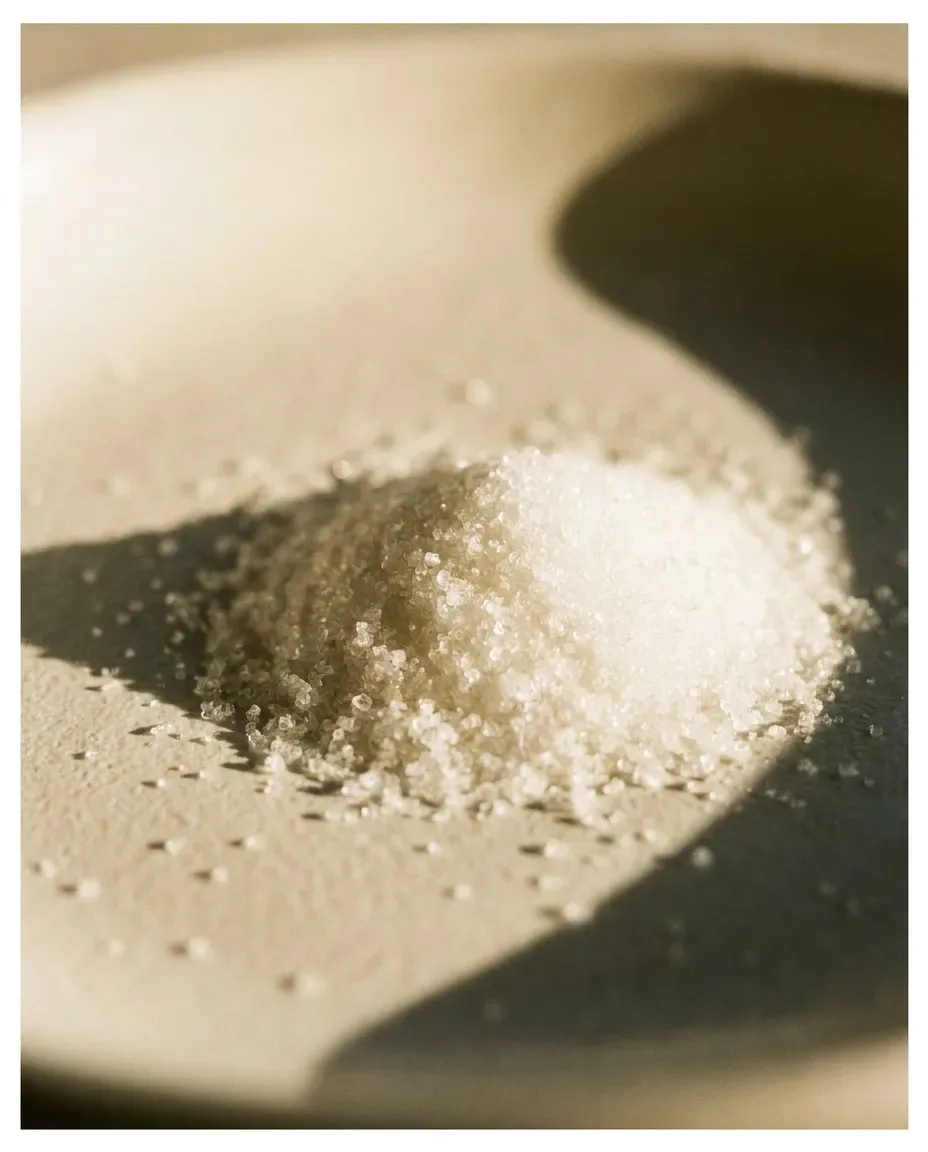
PreservativeFound inThe Wash
Sodium Benzoate
Key benefit Helps protect the formula
A widely used preservative that helps protect the formula against microbial growth and maintain product safety over time. When used at appropriate levels in well-balanced formulations, it helps preserve formula integrity and is generally well tolerated by the skin.
Research: International Journal of Toxicology (opens in a new tab)
Texture enhancerFound inThe Wash
Sodium Chloride
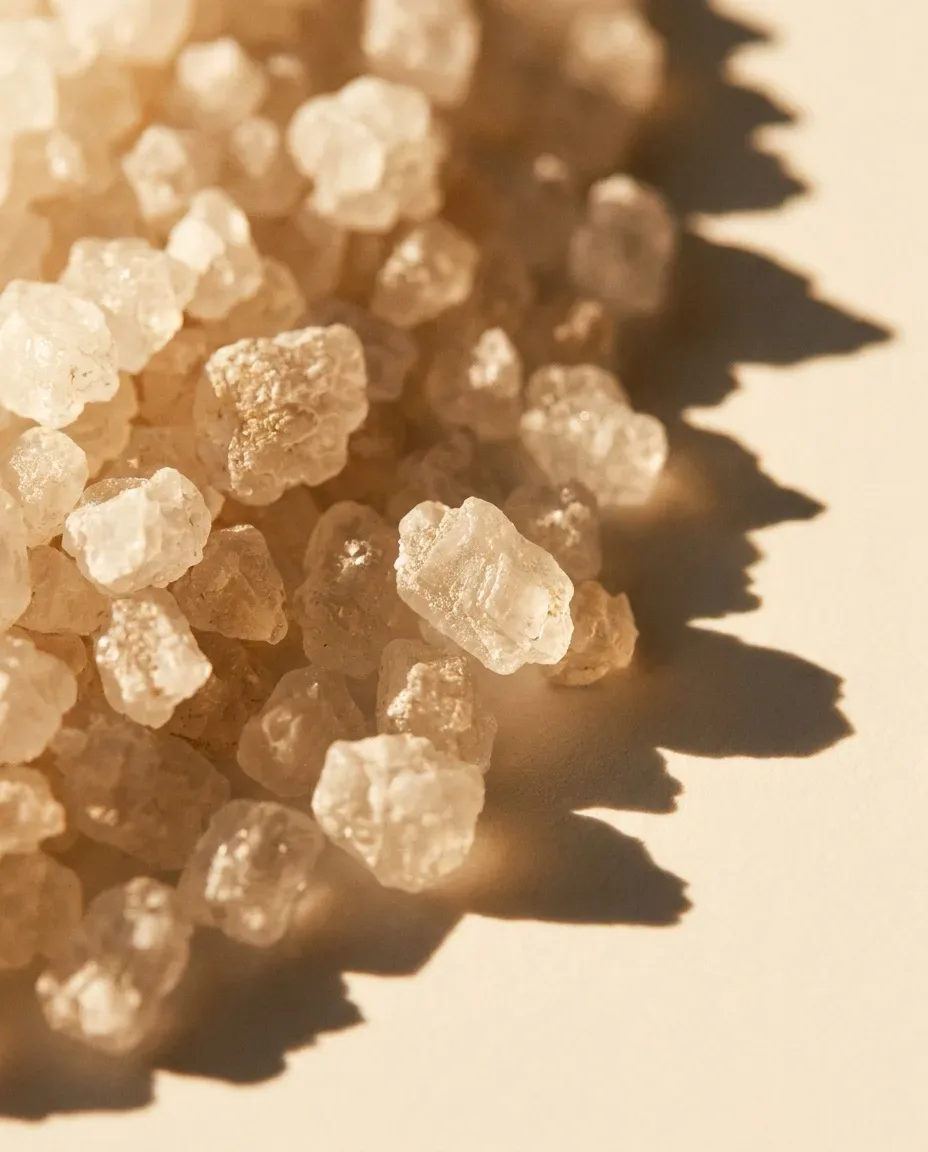
Texture enhancerFound inThe Wash
Sodium Chloride
Key benefit Helps adjust and stabilize formula texture
A mineral salt commonly used to modify the viscosity of cosmetic formulas, sodium chloride helps improve texture and consistency. It supports a more controlled and pleasant application, which is especially important for fragilized skin.
Texture enhancer · Cleansing agentFound inThe Cream
Sodium Lauroyl Lactylate
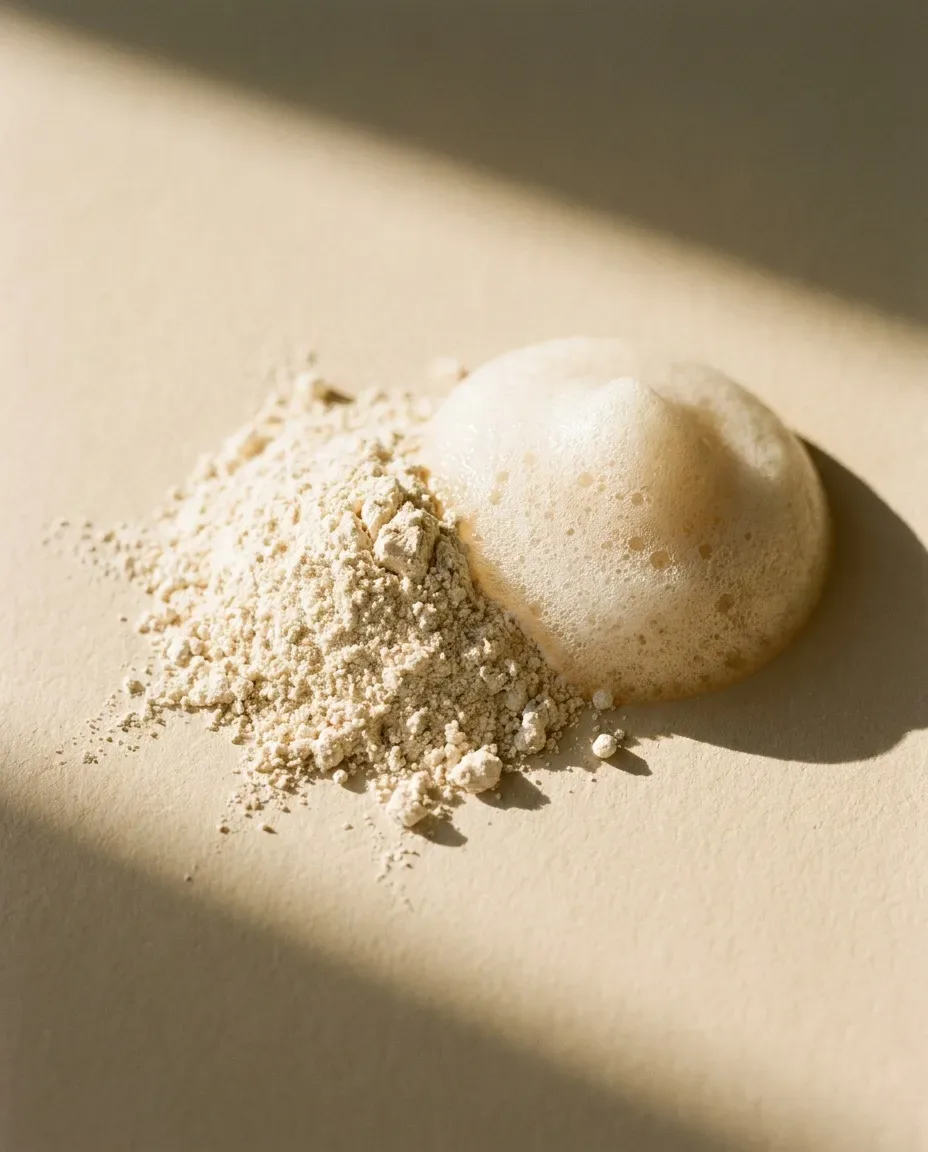
Texture enhancer · Cleansing agentFound inThe Cream
Sodium Lauroyl Lactylate
Key benefit Helps stabilize the formula and support gentle cleansing
A multifunctional ingredient derived from fatty acids and lactic acid, sodium lauroyl lactylate acts as both an emulsifier and a mild surfactant. It helps blend oil and water phases while supporting gentle cleansing.
Research: International Journal of Toxicology (opens in a new tab)
Chelating agentFound inThe Cream
Sodium Phytate
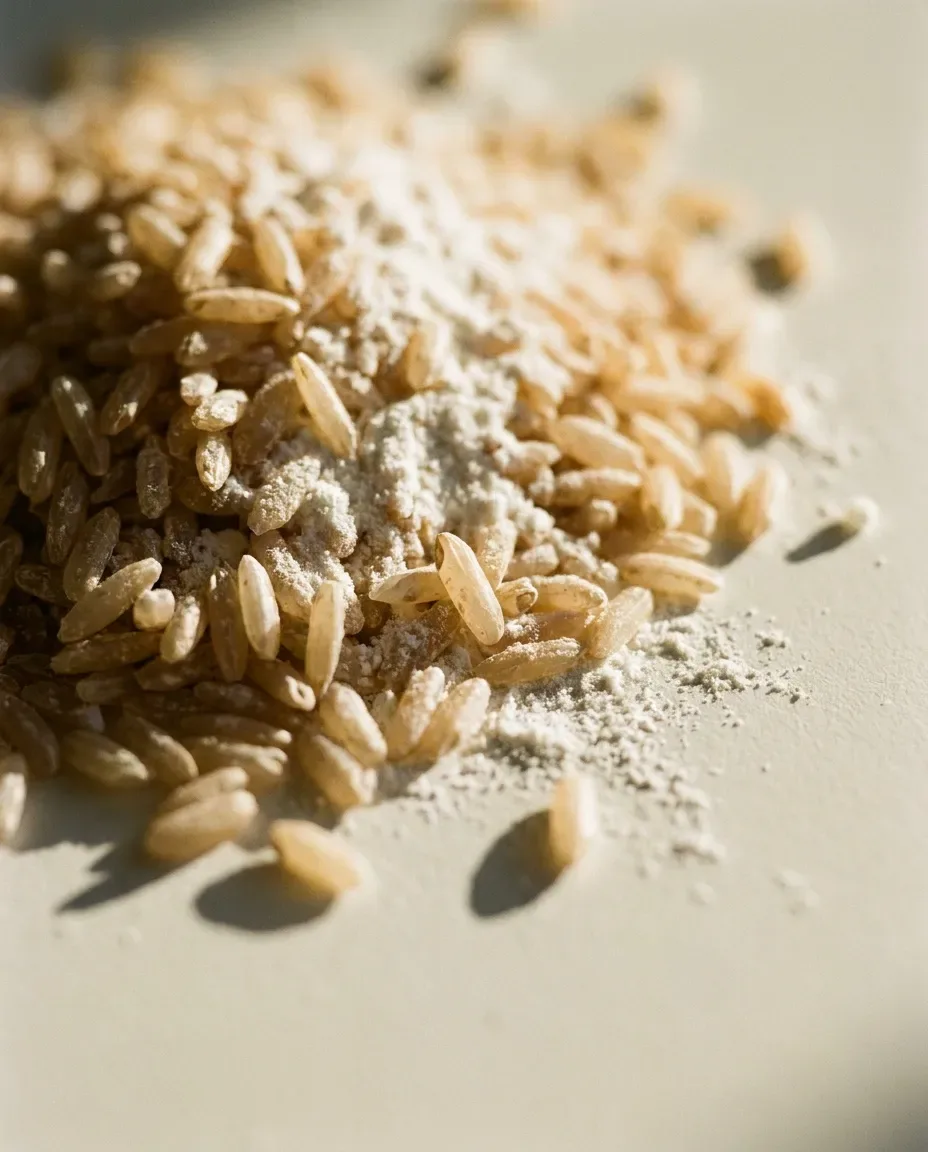
Chelating agentFound inThe Cream
Sodium Phytate
Key benefit Helps preserve formula stability
A plant-derived chelating agent, sodium phytate helps bind metal ions that can affect the stability and appearance of the formula. By improving formula integrity over time, it supports the development of well-balanced products suitable for delicate skin.
Texture enhancerFound inThe Cream
Sodium Stearoyl Glutamate
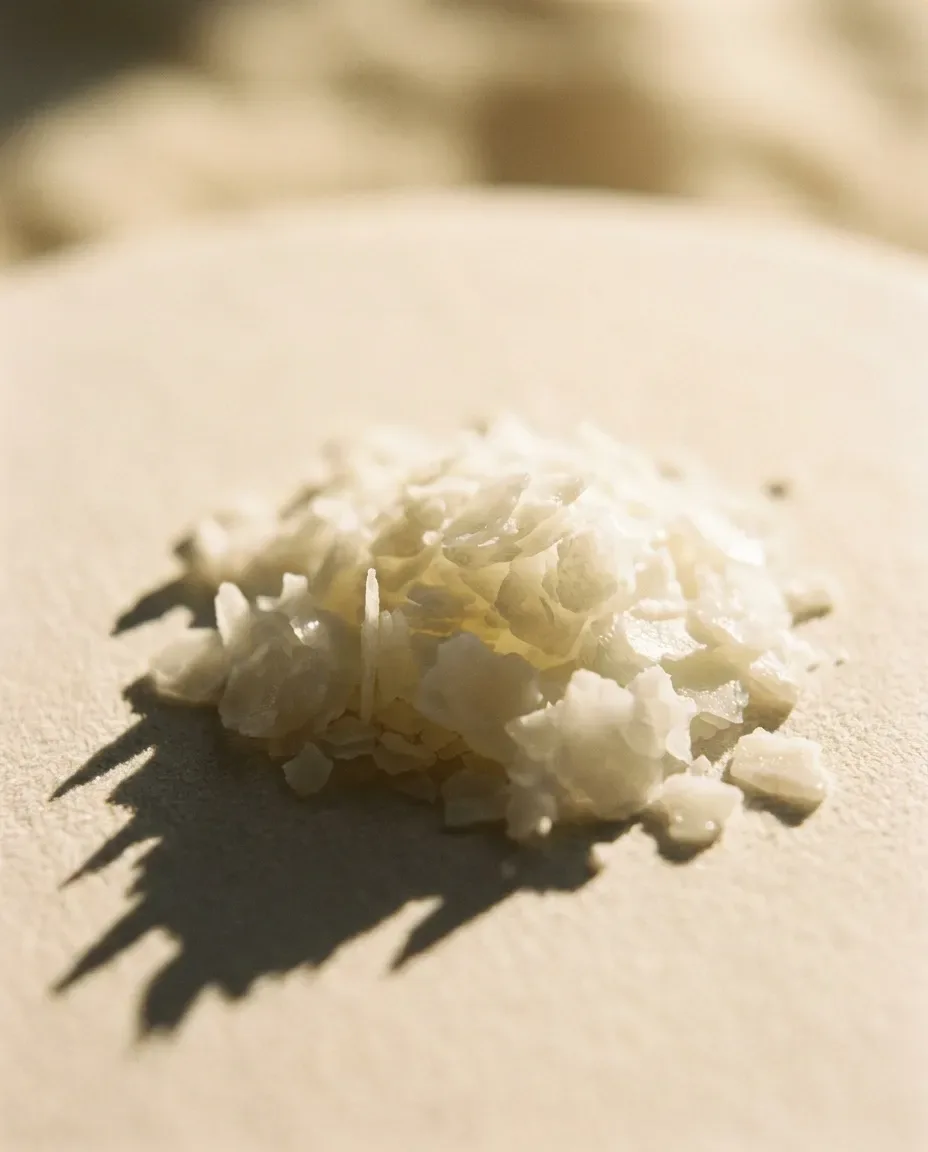
Texture enhancerFound inThe Cream
Sodium Stearoyl Glutamate
Key benefit Helps stabilize the formula and improve skin feel
An amino acid–based emulsifier derived from glutamic acid and stearic acid, sodium stearoyl glutamate helps blend oil and water phases while supporting a smooth, elegant texture.
Research: International Journal of Toxicology (opens in a new tab)
Texture enhancerFound inThe Cream
Sorbitan Sesquioleate
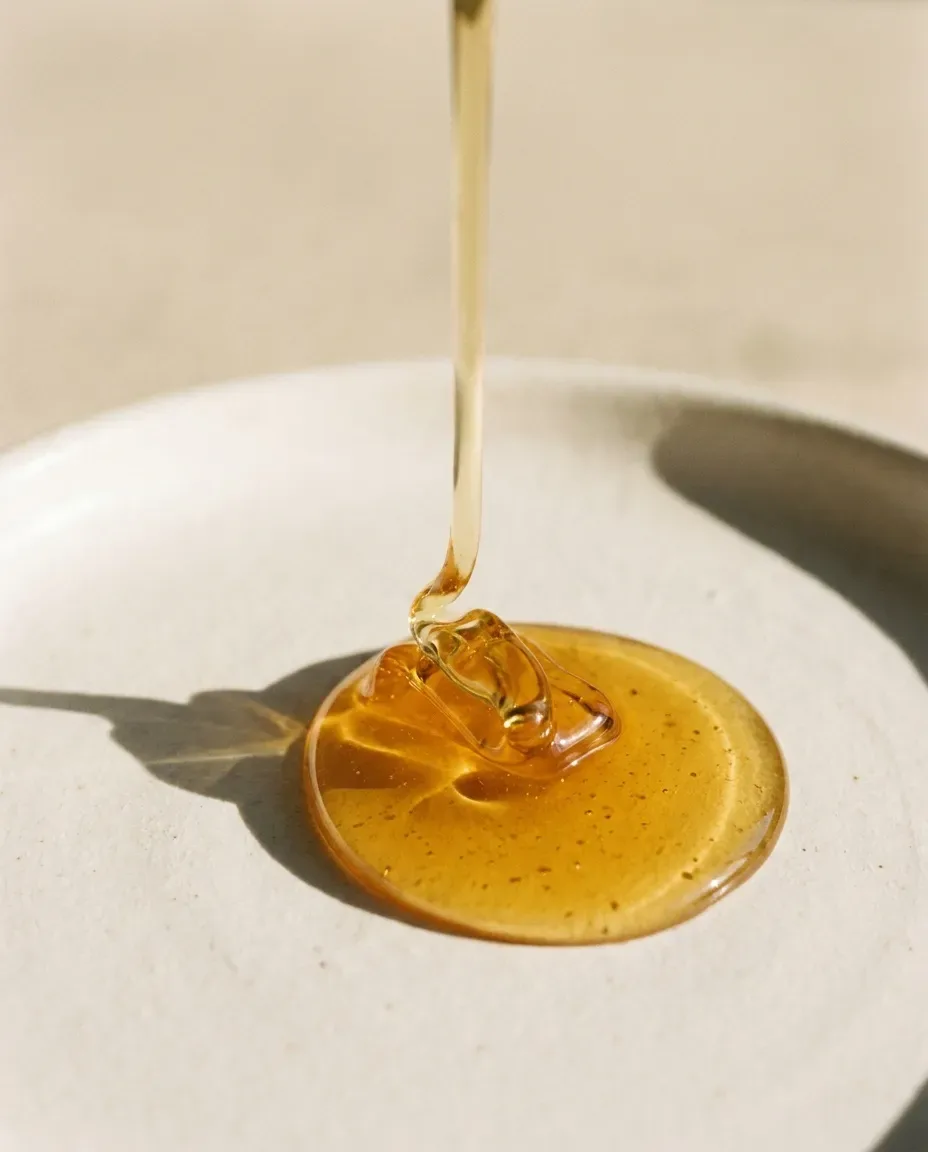
Texture enhancerFound inThe Cream
Sorbitan Sesquioleate
Key benefit Helps soften skin and stabilizes cream formulas
An emulsifying ingredient derived from sorbitol and fatty acids, sorbitan sesquioleate helps blend oil and water phases while also providing emollient benefits. It helps improve formula texture and support a smooth, comfortable skin feel.
Research: International Journal of Toxicology (opens in a new tab)
Texture enhancerFound inThe Wash · The Cream
Stearic Acid
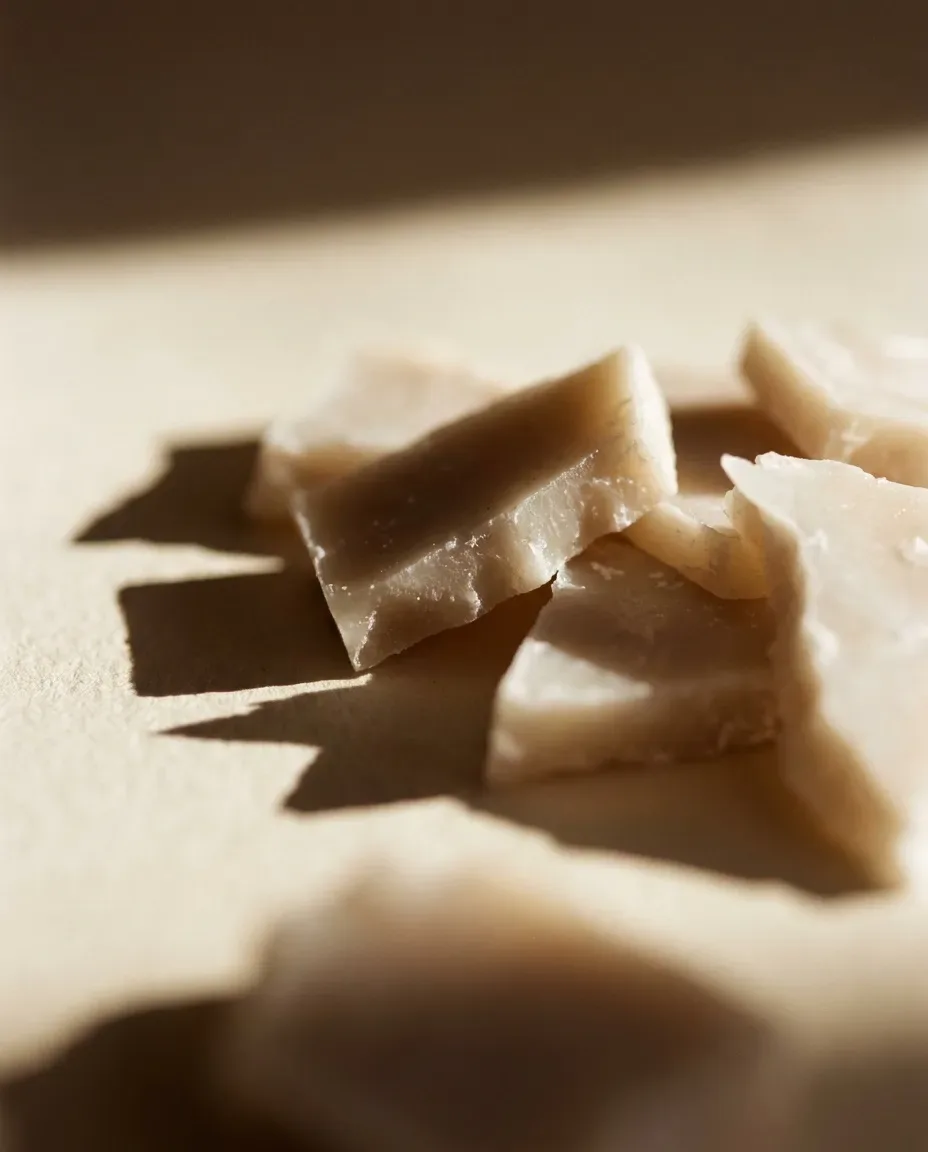
Texture enhancerFound inThe Wash · The Cream
Stearic Acid
Key benefit Helps protect the skin and improve formula consistency
A fatty acid naturally found in plant and animal lipids, stearic acid is commonly used to stabilize emulsions and give formulas a richer texture. It also forms a protective film on the skin surface that helps reduce moisture loss and support skin comfort.
Research: International Journal of Toxicology (opens in a new tab)
Texture enhancerFound inThe Wash · The Cream
Stearyl Alcohol
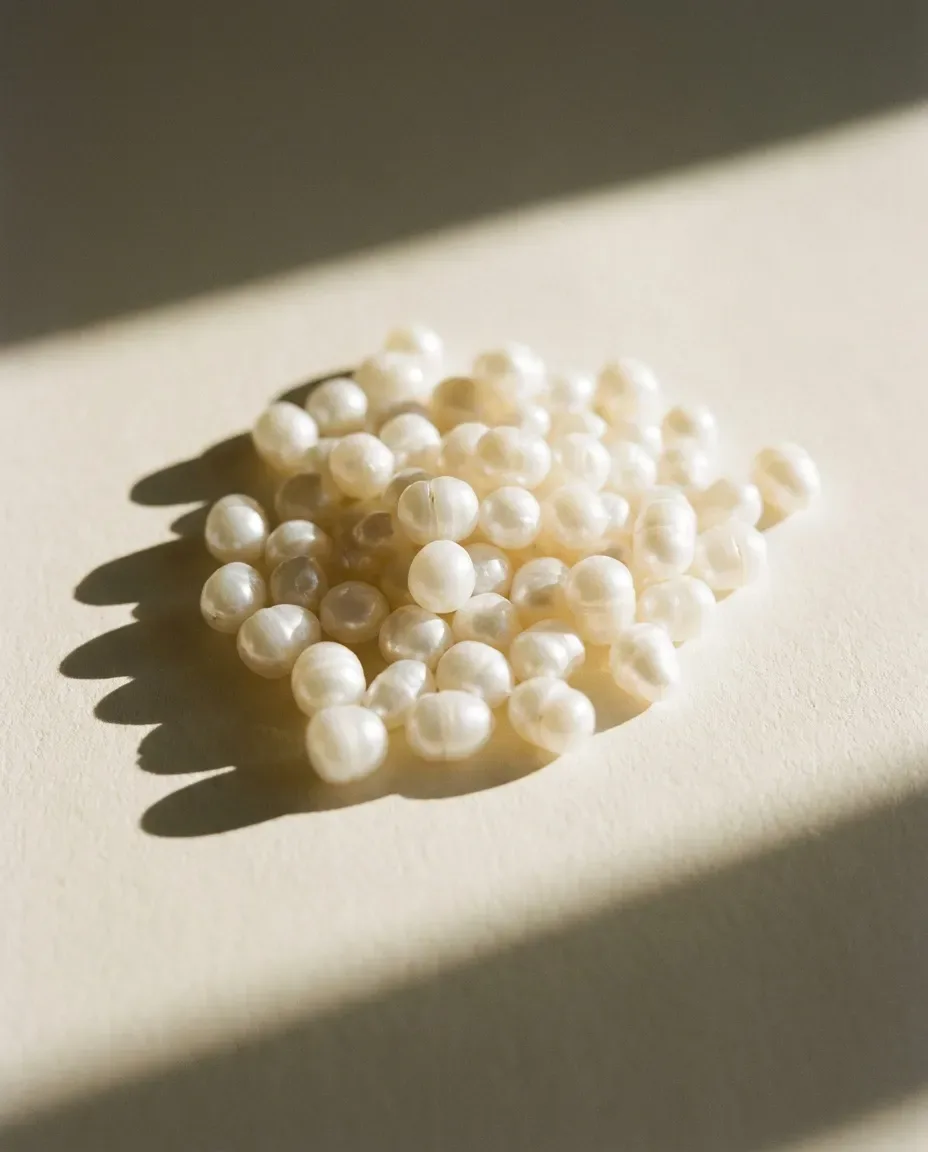
Texture enhancerFound inThe Wash · The Cream
Stearyl Alcohol
Key benefit Helps soften skin and enhance formula texture
A fatty alcohol used as a thickening and emollient agent, stearyl alcohol helps give formulas more body and creaminess while softening the skin surface. It supports smooth, comfortable application, making it well suited to delicate skin.
Research: International Journal of Toxicology (opens in a new tab)
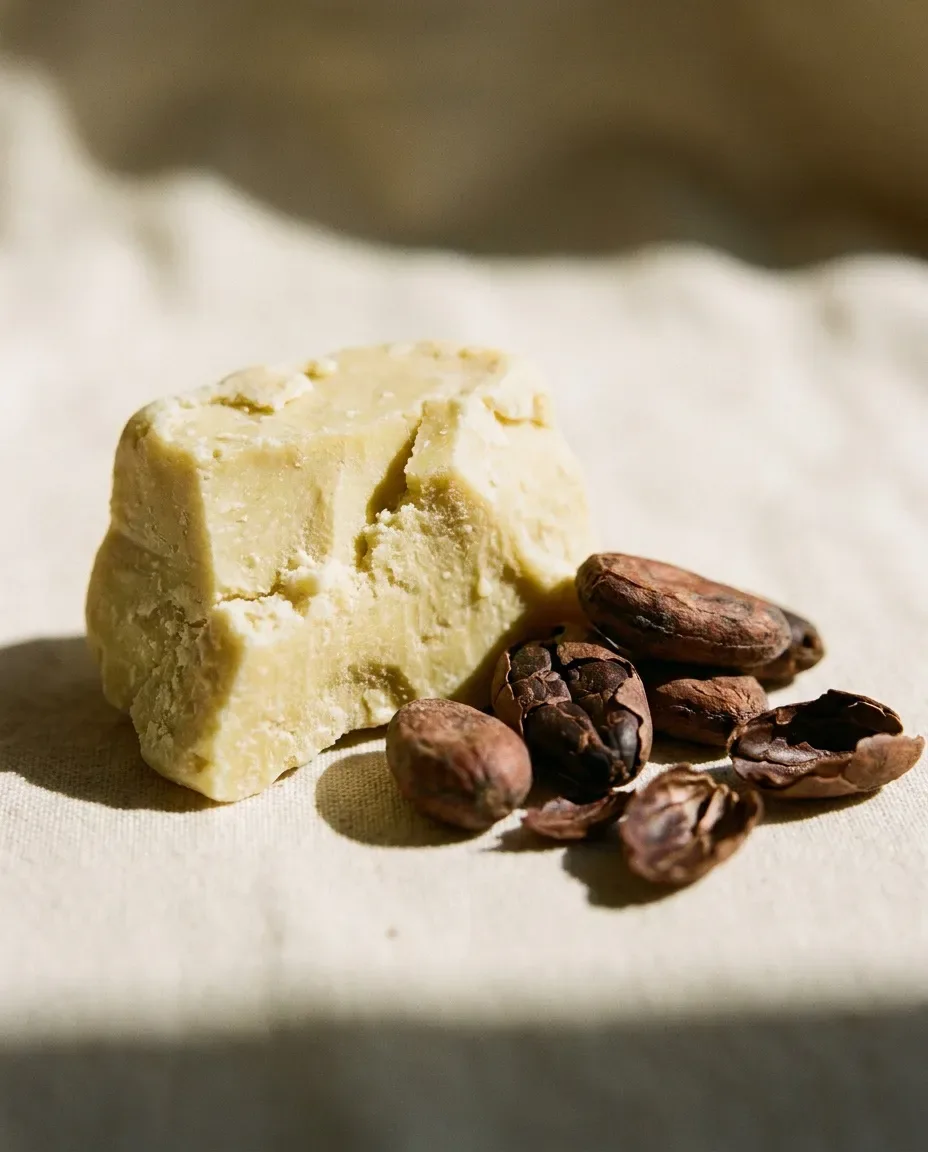
MoisturizingFound inThe Cream
Theobroma Cacao (Cocoa) Seed Butter
MoisturizingFound inThe Cream
Theobroma Cacao (Cocoa) Seed Butter
Key benefit Helps nourish the skin and reduce moisture loss
Derived from cocoa beans, this rich plant butter is naturally composed of fatty acids that help soften the skin and reinforce its protective surface. Its emollient and occlusive properties help replenish lipids and limit transepidermal water loss, making it beneficial for delicate skin prone to dryness.
Research: International Journal of Toxicology (opens in a new tab)
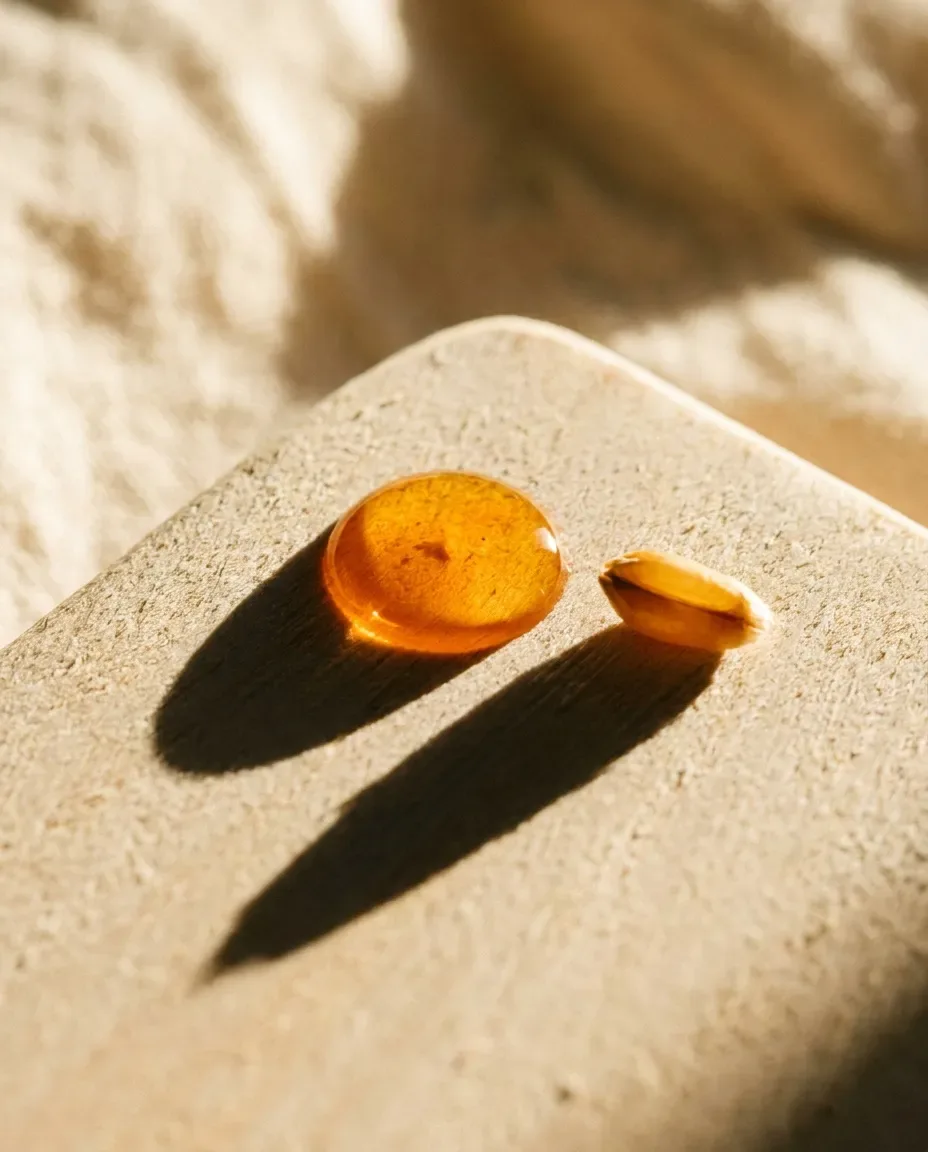
AntioxidantFound inThe Cream · The Balm
Tocopherol (Vitamin E)
AntioxidantFound inThe Cream · The Balm
Tocopherol (Vitamin E)
Key benefit Helps protect the skin from oxidative stress
Also known as Vitamin E, tocopherol is a well-known antioxidant that helps protect the skin and the formula from oxidative damage caused by external stressors. It supports skin comfort and helps preserve the quality of lipid-rich formulations.
Research: International Journal of Toxicology (opens in a new tab)
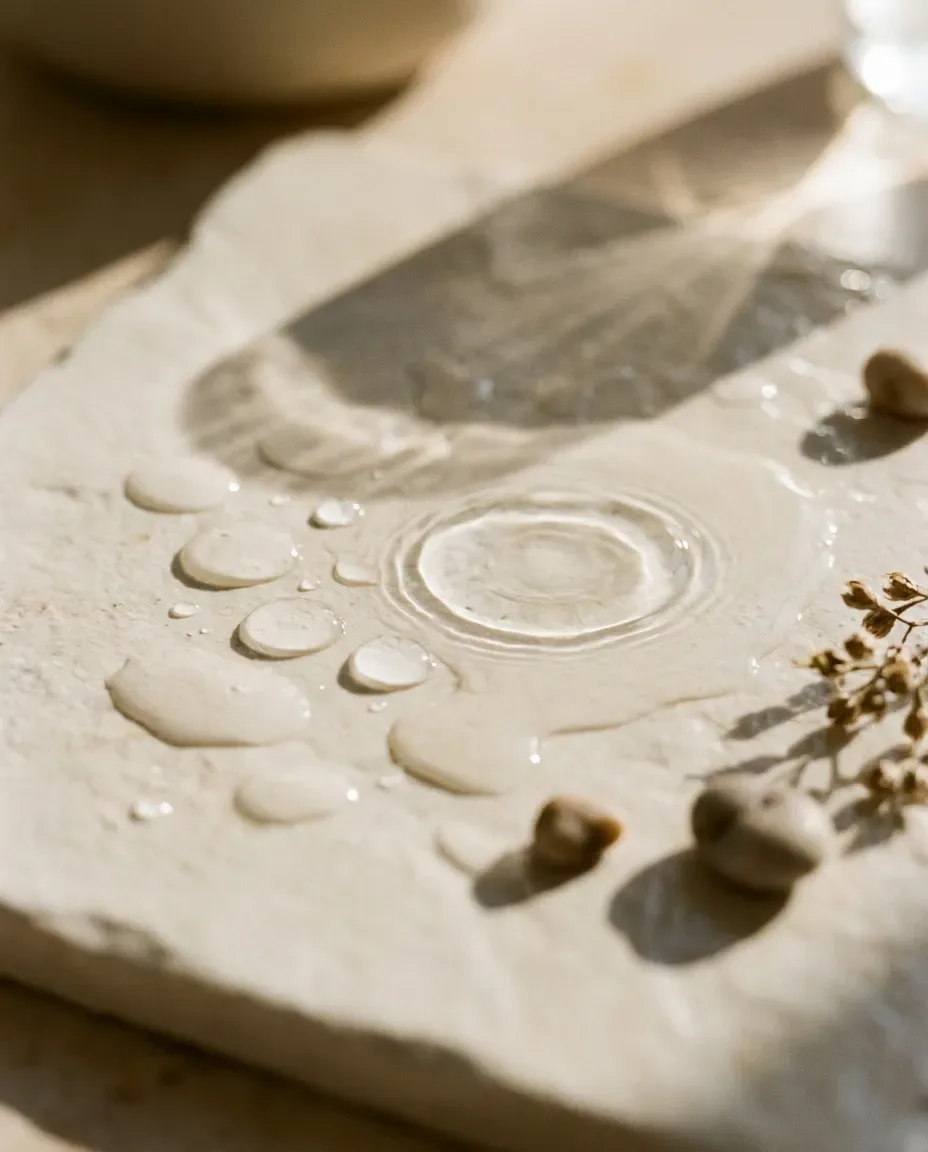
SolventFound inThe Wash · The Cream
Water (Aqua)
SolventFound inThe Wash · The Cream
Water (Aqua)
Key benefit Helps dissolve and carry other ingredients
Also known as aqua, water is the main solvent in many skincare formulas and is used to dissolve, disperse, and deliver other ingredients throughout the product. It forms the base of the formula and helps create a texture that is easy to apply.
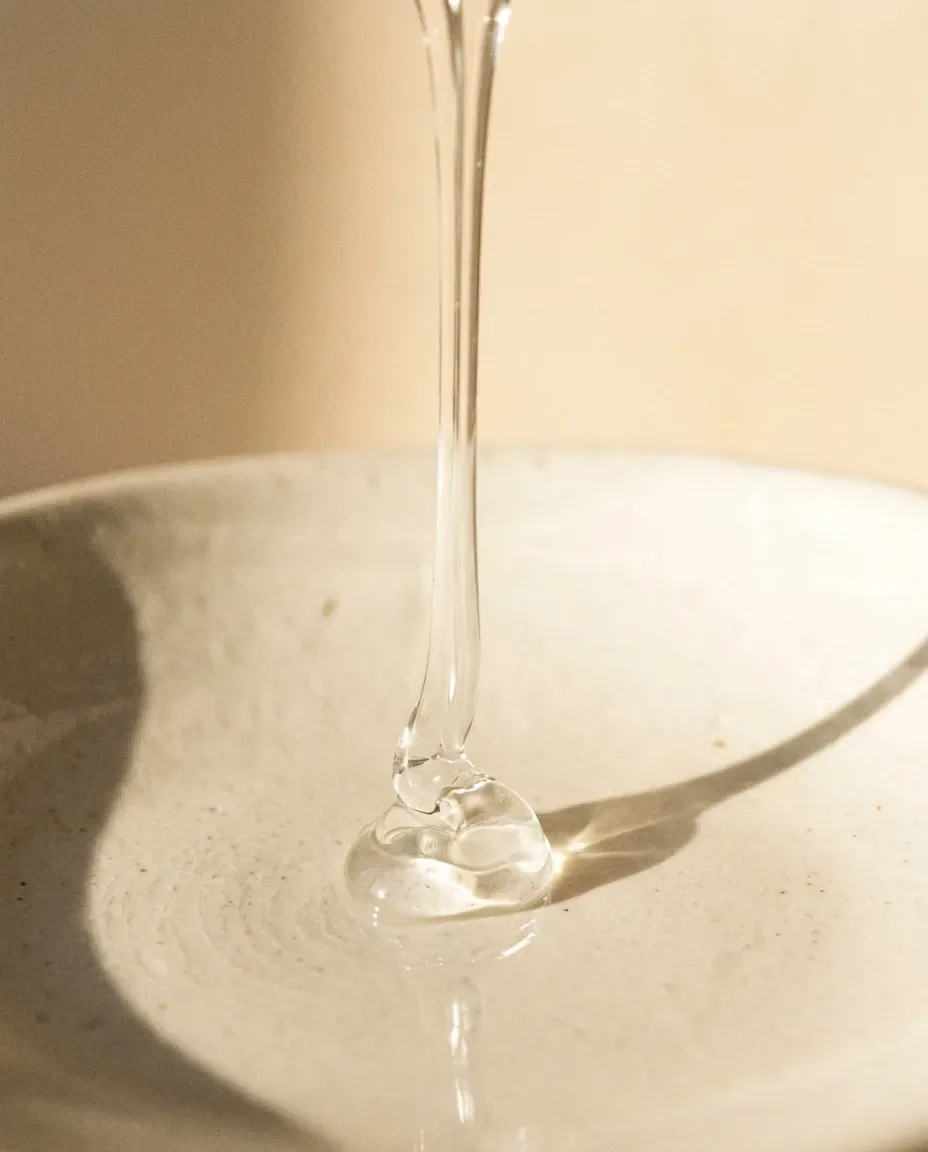
Texture enhancerFound inThe Wash · The Cream
Xanthan Gum
Texture enhancerFound inThe Wash · The Cream
Xanthan Gum
Key benefit Helps create a smooth, stable texture
A natural polysaccharide obtained by fermentation, xanthan gum is used as a thickening and gelling agent to improve formula consistency and stability. It helps ensure smooth, even application, which is especially important for sensitive skin.
Research: International Journal of Toxicology (opens in a new tab)
No ingredient matches that search.